Wondering whether to remodel your Noe Valley home or make the leap to something larger? You are not alone. In a neighborhood where homes move quickly and values stay strong, the wrong choice can feel expensive, while the right one can improve both your daily life and your long-term financial position. This guide will help you weigh renovation value, permit realities, market conditions, and tax considerations so you can decide with more clarity. Let’s dive in.
Why this decision is so different in Noe Valley
Noe Valley is not a typical move-up market. Over the three months ending May 2026, Redfin reported a median sale price of $2,349,210 in Noe Valley, up 7.8% year over year. Homes also moved fast, averaging 13 days on market, which points to a competitive environment for anyone trying to buy their next home.
The neighborhood also continues to command a premium within San Francisco. Redfin shows Noe Valley at a median sale price per square foot of $1.56K, compared with $1.14K for San Francisco overall. If you are thinking about moving up within the neighborhood, that premium matters because you are not just buying more space, you are buying into one of the city’s stronger submarkets.
Lifestyle plays a real role here too. San Francisco Planning describes Noe Valley Town Square as a central gathering space, and notes that the Noe Valley Farmers Market has a permanent home there. If you love the walkable, village-like feel of the neighborhood, staying put and improving your current home may be more appealing than starting over somewhere else.
When remodeling makes more sense
If your home already works in the ways that matter most, remodeling may be the smarter path. This is often true when you like your location, your layout is mostly functional, and your wish list is more about finishes and flow than adding major square footage. In those cases, a focused update can improve daily living without the cost and pressure of a move-up purchase.
San Francisco’s permit system supports that kind of limited project. The city says many no-plan projects can include like-for-like window and door replacements, roof rebuilds, and kitchen or bath remodels that do not change the floor plan, move walls, or add a new shower or tub. A city performance report also notes that over-the-counter permits account for more than 90% of all permits processed, which makes simple upgrades more manageable when the scope stays tight.
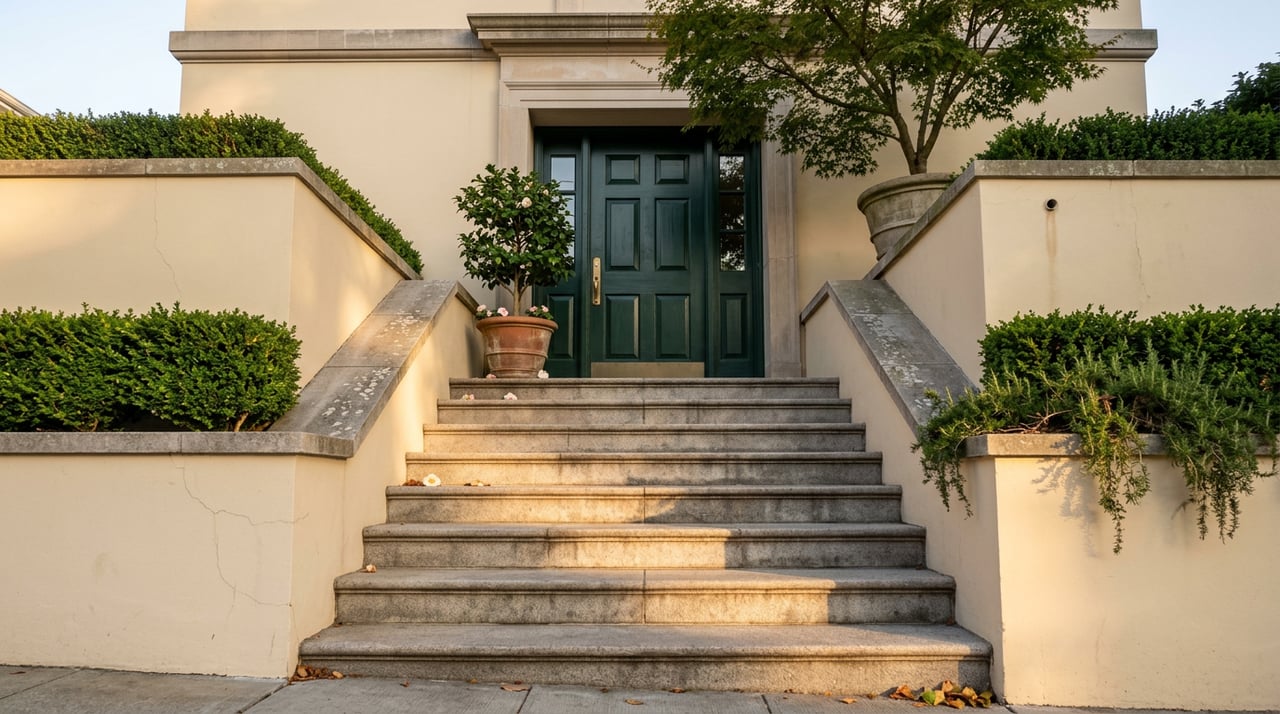
That matters because not all remodels perform equally. In the 2025 Cost vs Value report for San Francisco, some of the best average resale results came from smaller, visible improvements rather than major overhauls. Steel entry door replacement recouped 237.2% of cost, garage door replacement recouped 236.7%, a minor kitchen remodel recouped 112.4%, and fiber-cement siding replacement recouped 109.8%.
By comparison, bigger projects showed weaker average payback. A major kitchen remodel recouped 48.5% of cost, and a midrange bath remodel recouped 73.8%. That does not mean large remodels are always a bad idea, but it does mean you should be careful about assuming a full transformation will return dollar-for-dollar value at resale.
The sweet spot for value
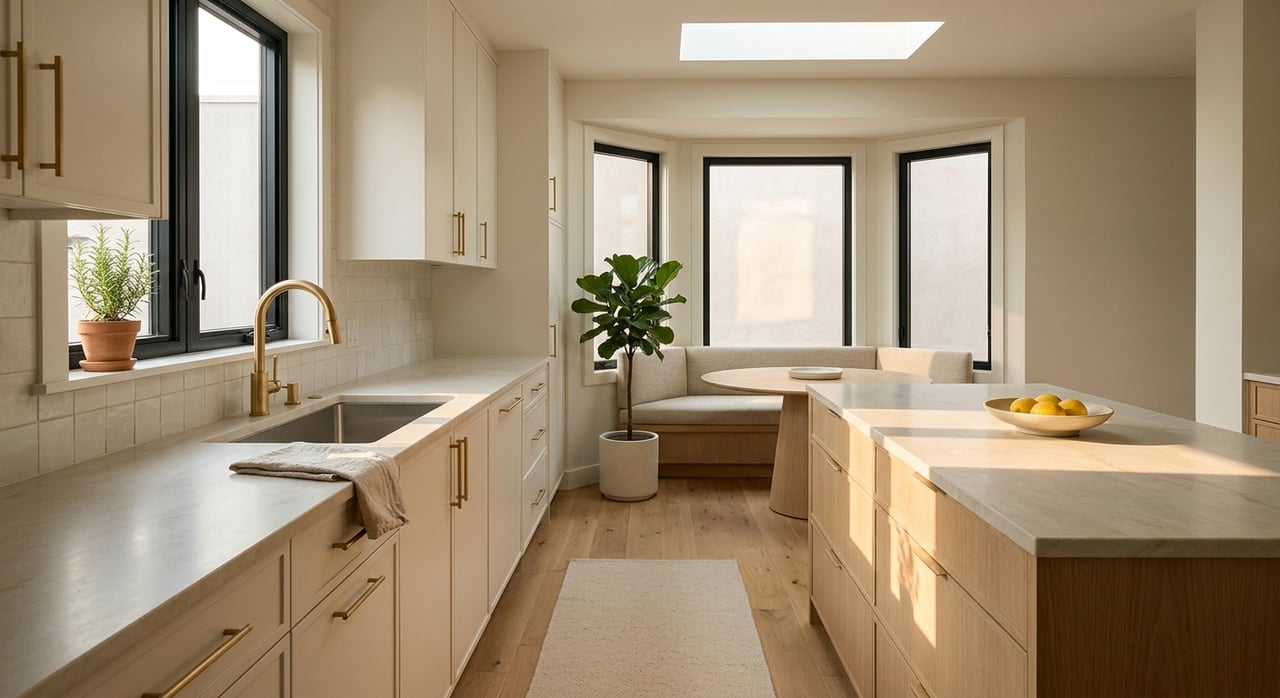
In San Francisco, the strongest remodeling value often comes from a refresh, not a rebuild. The minor kitchen remodel used in the Cost vs Value report keeps cabinet boxes in place while replacing fronts, updating appliances, and refreshing counters, flooring, and paint. That distinction is important because it separates strategic improvement from expensive reinvention.
If your kitchen or bath looks dated but the footprint still works, a lighter-touch update may give you the best balance of enjoyment and resale potential. It can also reduce construction complexity and shorten your timeline. For many Noe Valley owners, that is the practical middle ground.
When moving up is the better fit
Sometimes remodeling is simply trying to force a home to become something it is not. If you need more bedrooms, more bathrooms, better light, parking, or substantially more square footage, a move-up purchase may be the cleaner solution. This is especially true when solving those problems would require moving walls, adding levels, or making structural changes that trigger more planning and coordination.
San Francisco’s permit rules draw a clear line between simple work and projects that need plans. Once your project shifts into major reconfiguration or addition territory, the process usually becomes more involved. That can mean more time, more consultants, and more uncertainty before construction even begins.
There is also the quality-of-life question. If your current home cannot efficiently support how you actually live, a renovation may still leave you with compromises. Moving up can be the better answer when you want a home that fits your next stage instead of asking your current one to do too much.
What the Noe Valley market means for your move-up search
Before you decide to buy your next home, it helps to understand how competitive the search may be. In Noe Valley, Redfin reported 95 homes sold in May 2026, with average days on market at 13. For the broader San Francisco market, the median sale price was $1,698,983 over the same three-month period, up 16.1% year over year, with homes averaging 14 days on market.
In plain terms, you should expect a fast-moving environment. A move-up purchase in Noe Valley is likely to involve strong pricing, limited hesitation time, and the need for clear financial preparation. If you sell and buy in the same cycle, strategy and timing become just as important as the home itself.
The monthly cost can change fast
A move-up decision is not just about the purchase price. Financing costs remain meaningful, and they can reshape what feels comfortable month to month. Freddie Mac reported a 30-year fixed mortgage rate of 6.49% as of June 25, 2026.
At that rate, principal and interest on a $1,000,000 mortgage is about $6,314 per month. On a $1,400,000 mortgage, it is about $8,840 per month, before taxes, insurance, or HOA dues. That difference alone can materially change your budget.
This is why many owners benefit from comparing two realistic paths side by side:
- The cost of a scope-limited remodel
- The cost of a larger remodel that needs plans and more coordination
- The all-in monthly cost of a move-up purchase, including financing and property taxes
On paper, moving may look cleaner. In practice, the monthly payment can be much higher than expected once all costs are included.
Do not overlook property tax and capital gains rules
Taxes are one of the biggest reasons to review this decision carefully before you commit. For the sale of a principal residence, the IRS says a homeowner may exclude up to $250,000 of gain, or up to $500,000 on a joint return in most cases, if the ownership and use tests are met. California Franchise Tax Board guidance conforms to those rules.
That exclusion can be very helpful, but it is only one part of the picture. The California State Board of Equalization says assessed value is generally established when property changes ownership or when property is newly constructed. It also notes that supplemental tax bills can result from reappraisal.
In practical terms, that means a move-up purchase usually comes with a new assessed value based on the purchase price. If you have owned your current home for many years, that shift can significantly raise your property tax bill. For some owners, that becomes a major factor in choosing to remodel instead of move.
A simple way to frame the choice
If you are stuck, this decision often becomes clearer when you strip it down to three questions.
Does your current layout already work?
If the answer is yes, remodeling deserves a serious look. Cosmetic and scope-limited upgrades are often easier to permit in San Francisco and can produce stronger average resale efficiency than major overhauls. That is especially true when your goal is to modernize, not reinvent.
Are your needs structural or cosmetic?
If the issue is lack of bedrooms, bathrooms, square footage, or functional layout, moving up may be more logical. Once a project requires major reconfiguration, the time, cost, and complexity can rise quickly. At that point, buying a better-fit home may save you from solving one problem while creating another.
What is the true monthly and tax impact?
Compare the likely cost of renovation with the real cost of buying your next home. That means looking at mortgage payments, reassessed property taxes, and any other housing expenses tied to the new purchase. The right answer is often the one that gives you the best fit without stretching your finances too thin.
How a design-forward strategy helps
This is where a thoughtful advisory process can make a real difference. If remodeling is the better choice, a focused plan can help you prioritize the improvements most likely to support both daily enjoyment and future value. If moving up makes more sense, clear preparation can help you position your current home well while competing intelligently for the next one.
Amanda Jones Advisory & Associates is known for hands-on project coordination, design-led preparation, and individualized strategy across San Francisco neighborhoods, including Noe Valley. Whether you are weighing selective improvements, planning a sale, or trying to time a move-up purchase, a calm and highly detailed process can reduce guesswork.
The best next step is to review your home, your likely renovation scope, and your move-up budget side by side. Then consult a licensed lender, CPA, and contractor before making a final commitment. If you want a tailored strategy for your Noe Valley property, Amanda Jones can help you think through the options with clarity.
FAQs
Should I remodel or move if I want a larger home in Noe Valley?
- If you need substantially more bedrooms, bathrooms, light, parking, or square footage than your current structure can add efficiently, moving up is often the better fit.
What remodel projects tend to offer better resale value in San Francisco?
- San Francisco’s 2025 Cost vs Value data shows stronger average resale results for smaller projects like steel entry door replacement, garage door replacement, minor kitchen remodels, and fiber-cement siding replacement than for major kitchen or bath overhauls.
What permits are common for remodeling a home in San Francisco?
- Many simple projects may qualify for over-the-counter review, including certain kitchen or bath remodels that do not change the floor plan, move walls, or add a new shower or tub, while bigger changes usually require plans.
Is Noe Valley a competitive market for buying a move-up home?
- Yes. Redfin reported a median sale price of $2,349,210 in Noe Valley over the three months ending May 2026, with homes averaging 13 days on market, which signals a competitive environment.
What tax issue matters when selling one home and buying another in California?
- You may qualify for the principal residence gain exclusion if you meet the ownership and use tests, but a replacement property is generally reassessed at change of ownership, which can increase property taxes and lead to supplemental billing.
Why do many Noe Valley owners choose to stay and improve?
- For some owners, the neighborhood’s walkable setting, including Noe Valley Town Square and the Farmers Market, makes staying put and upgrading a more appealing choice than relocating.