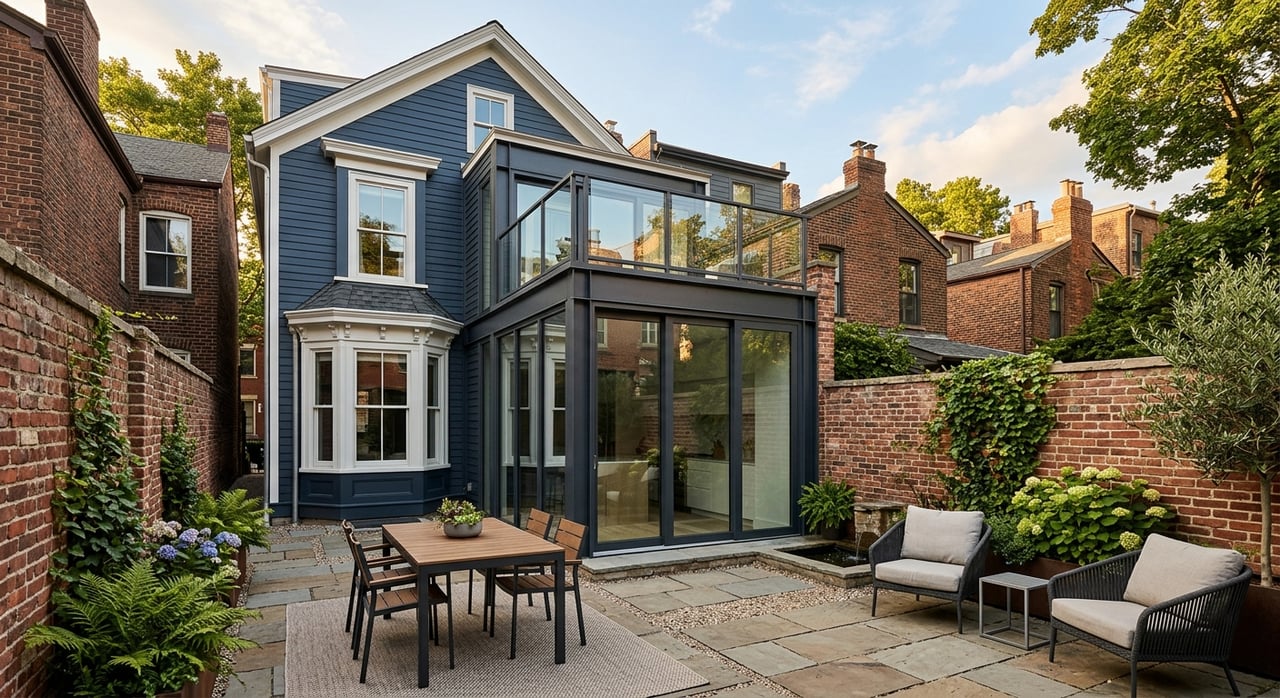
Looking for a home in Noe Valley that feels as good as it looks? If you are drawn to architecture, natural light, and thoughtful design, this neighborhood gives you more than one path to the right fit. Noe Valley is not defined by a single look, and that is exactly what makes it so compelling. From ornate period façades to clean-lined infill homes, here is how to understand the styles you will actually see and how they tend to live day to day. Let’s dive in.
Why Noe Valley Feels So Distinct
Noe Valley’s housing stock reflects how the neighborhood developed over time. San Francisco planning materials describe major residential growth from 1878 to 1914, with later infill continuing into the mid-century. Today, the area remains largely residential, with a mix of one- and two-unit homes, flats, and residential units above commercial space, especially along 24th Street.
What makes Noe Valley especially interesting for design-minded buyers is that the architecture is shaped by more than style alone. The neighborhood’s valley setting, sloped blocks, and surrounding topography influence how homes capture light, frame views, and create outdoor space. In practical terms, a great Noe Valley home often stands out because of its relationship to the street, the sky, and the hillside, not just its square footage.
Victorian Homes in Noe Valley
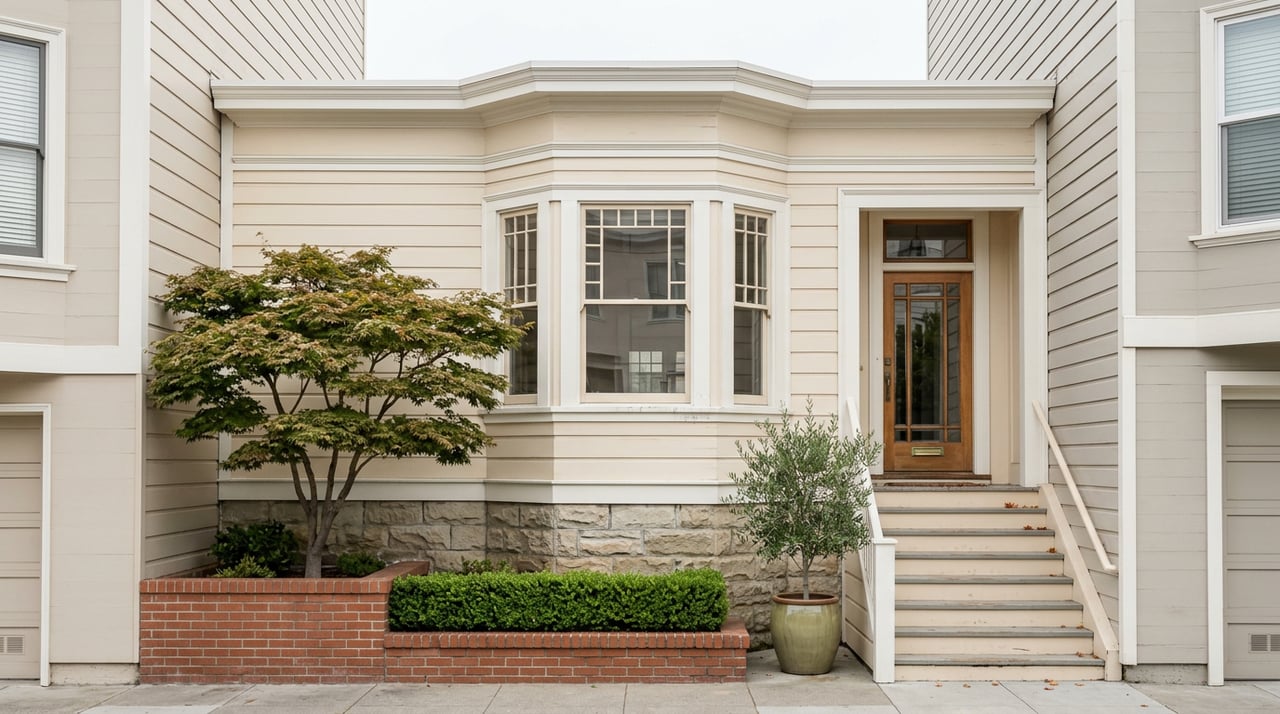
Victorian homes are often the most visually expressive properties in the neighborhood. In San Francisco, “Victorian” refers to a family of styles rather than one exact formula, including Italianate, Stick/Eastlake, and Queen Anne. Planning and preservation materials describe common features such as bracketed cornices, bay windows, wood siding, decorative surface detail, asymmetrical forms, and strong vertical emphasis.
For you as a buyer, the appeal is often immediate. These homes can offer striking façades, beautiful window light, and a level of craftsmanship that feels deeply tied to San Francisco’s residential history. On the street, they tend to create some of the most memorable moments in the neighborhood.
Inside, Victorians may feel more layered than newer homes. Their style features often suggest a more segmented interior rhythm rather than a fully open plan. If you love character, visual texture, and period detail, a Victorian may feel inspiring from day one.
What to Notice in a Victorian
When touring a Victorian, pay attention to:
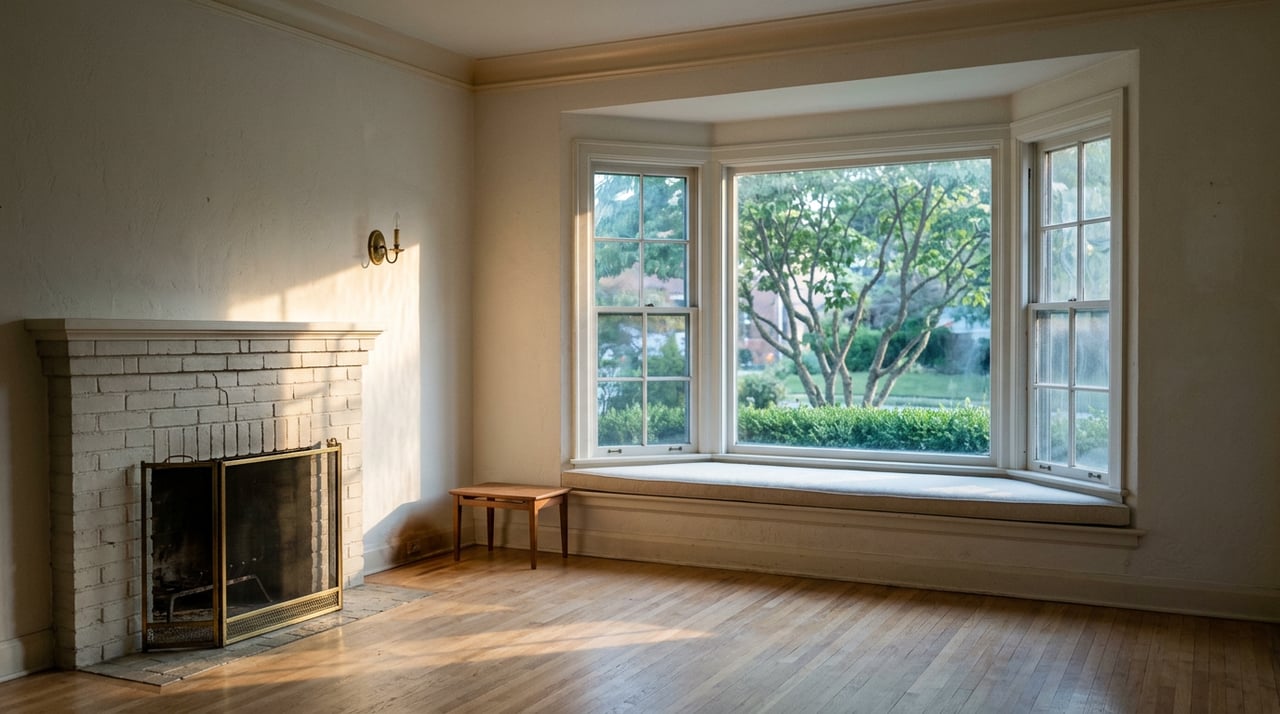
- Bay-window light
- Ornamental exterior detailing
- Vertical proportions
- How rooms connect to one another
- Whether outdoor space is in the rear yard, on a deck, or both
A design-minded buyer often sees a Victorian as a home with personality first and flexibility second. That can be a plus if you want a property with a strong point of view.
Edwardian Homes in Noe Valley
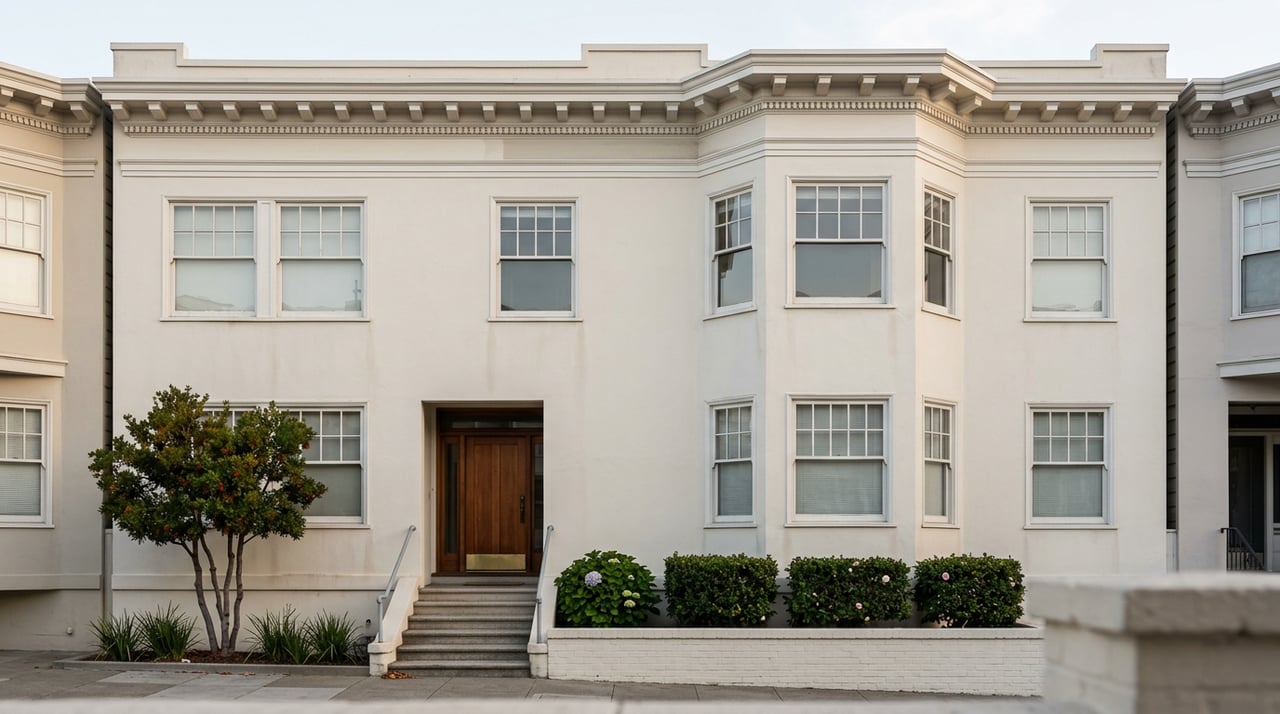
Edwardian homes usually read as calmer and more restrained than Victorians. San Francisco planning materials describe them as a vernacular Classical Revival style, often built from about 1901 to 1910 and, locally, extending into the 1920s. Common features include wide angled or round bay windows, flat roofs, projecting cornices, recessed entries, and more understated ornament.
For many buyers, Edwardians strike a sweet spot. They often preserve historic San Francisco character while presenting a cleaner architectural shell. That balance can make them especially appealing if you want a home that feels classic but not overly ornate.
Planning materials also note that Edwardians often sit closer to the sidewalk and use the lot more fully than earlier houses. In everyday living, that can translate into a more direct relationship to the street and a layout that feels efficient within an urban footprint.
Why Edwardians Often Feel Adaptable
If you are thinking ahead about design updates, Edwardians often appeal because their exterior language is more restrained. That can pair naturally with contemporary kitchens, simplified finishes, and more tailored interior renovations. For buyers who want historic bones with a practical feel, this style is often a strong contender.
Modern Infill Homes in Noe Valley
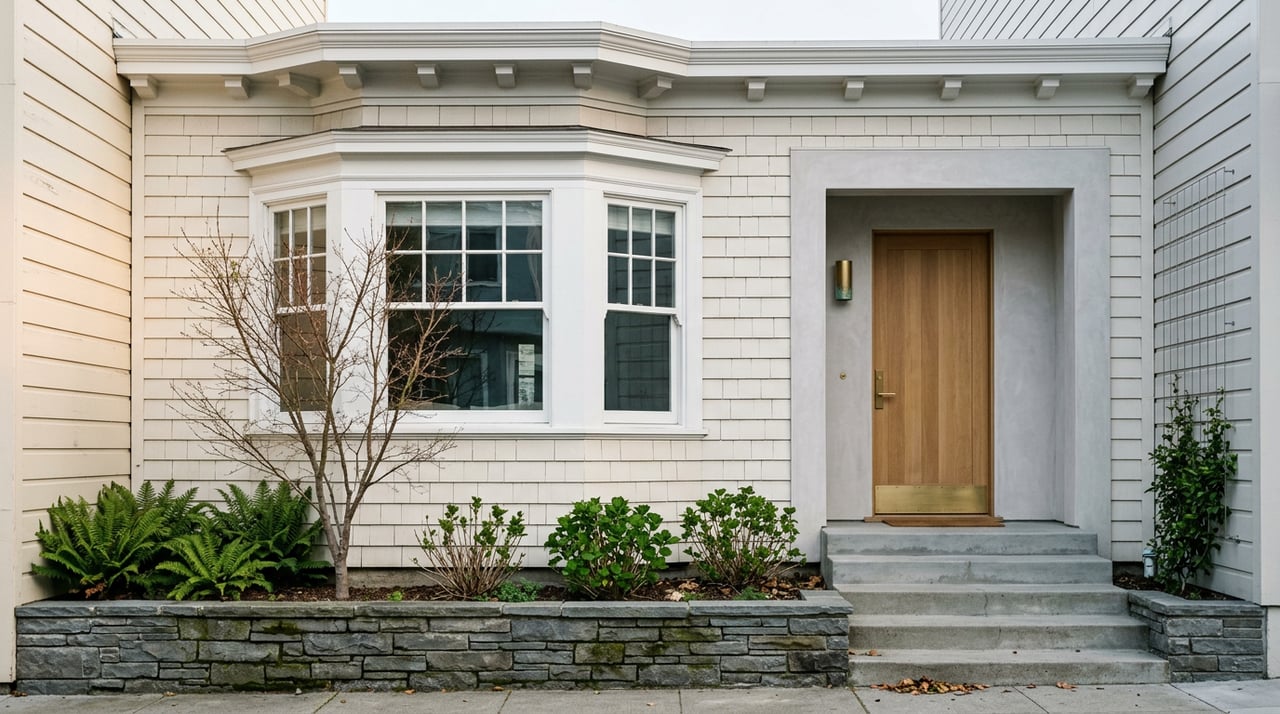
Modern infill adds another layer to Noe Valley’s housing mix. San Francisco design guidance recognizes contemporary infill as part of the city’s architectural landscape, while also requiring new construction and alterations to relate to nearby buildings. Current standards emphasize compatibility with existing lightwells, side setbacks, and roof setbacks.
For buyers, modern infill often feels different right away. These homes are the ones most likely to offer open-plan living, larger areas of glazing, rooftop decks, and a stronger indoor-outdoor connection. They often prioritize flow, daylight, and flexible living spaces in ways that align with current design preferences.
That said, the best modern homes in Noe Valley are usually not trying to overpower the block. Because city standards focus on light, air, privacy, and context, successful infill tends to feel considered rather than abrupt.
What Modern Buyers Often Value
Modern infill may stand out if you are looking for:
- Open living, dining, and kitchen spaces
- Larger windows and brighter interiors
- Rooftop or terrace-style outdoor space
- Clean lines and simpler detailing
- A stronger indoor-outdoor feel
If your design priorities include flexibility and natural light, this category is worth close attention.
View-Oriented Homes and Hillside Living
In Noe Valley, some of the most compelling homes are defined less by architectural label and more by elevation. San Francisco’s General Plan specifically notes that valleys like Noe Valley benefit from views of surrounding topography, and that building form matters in preserving those outlooks.
That means a view-oriented home may be Victorian, Edwardian, or more contemporary. What sets it apart is how it uses its site. A well-positioned home can turn a sloped lot, stepped entry, terrace, or upper-level deck into a major part of the living experience.
For a design-forward buyer, this often creates a very specific lifestyle appeal. You may gain more light, broader outlooks, and a stronger connection to outdoor space. At the same time, the front approach, stair sequence, and privacy at the street edge can become more important to evaluate.
What to Look For in a View Home
Focus on how the home handles:
- Orientation to surrounding hills and sky
- Window placement and sightlines
- Decks, terraces, or rooftop open space
- Privacy from the street
- The quality of the front approach and stairs
In a hillside San Francisco neighborhood, those details can shape your experience as much as the style itself.
Light and Outdoor Space Matter Here
Across all home types, two design themes show up again and again in Noe Valley: natural light and usable outdoor space. San Francisco’s design standards highlight side setbacks and lightwells as important ways to bring light and air deeper into homes. The city’s deck guidance also emphasizes the need to consider privacy, light, noise, and safety.
For you, that means the smartest purchase is not always the one that simply feels largest. Often, the best home is the one that solves daylight well and creates outdoor space you will actually use. In Noe Valley, a bright bay, a good rear garden, or a well-planned roof deck can have a major impact on everyday livability.
The city’s open-space policies also recognize a range of outdoor solutions, including rear-yard gardens, balconies, terraces, rooftop open space, and common courtyards. In a dense neighborhood, these spaces are not extras. They are often central to how a home lives.
How to Tell Which Style Fits You
If you are early in your search, it helps to think beyond labels and focus on how you want the home to function.
A Victorian may suit you if you value ornament, historic detail, and a strong sense of character. An Edwardian may be the better fit if you want period charm with a more restrained and balanced feel. A modern infill home may make the most sense if open space, larger windows, and flexible layouts top your list.
You should also pay close attention to the lot and the block. In Noe Valley, slope, light access, setbacks, and outdoor space can change how two homes of similar size feel completely different. The best match is usually the one where architecture and site work together.
Why This Matters in Your Search
Noe Valley rewards buyers who look carefully. The neighborhood’s housing stock spans different eras, but the strongest homes tend to respond well to the same local realities: hills, views, light, and the need for usable outdoor space.
That is why a design-minded home search here should be about more than finishes or curb appeal. It should also include how the home meets the street, how it captures daylight, and how it turns an urban lot into a place that feels calm, functional, and visually satisfying.
If you want help narrowing down which Noe Valley home style best fits your priorities, Amanda Jones offers private, design-savvy guidance tailored to how you want to live.
FAQs
What home styles are common in Noe Valley?
- San Francisco planning documents describe Noe Valley as largely residential, with one- and two-unit homes, flats, and mixed-use buildings, including Victorian, Edwardian, Period Revival, and Mid-Century examples.
How can you tell a Victorian from an Edwardian in Noe Valley?
- In general, Victorian homes are more ornate and visually expressive, while Edwardians are more restrained and classical, often with flatter roofs, larger bay windows, and simpler ornament.
Why do some Noe Valley homes sit above the street?
- Noe Valley includes sloped blocks and hillside conditions, which can make homes feel elevated, more private, and more oriented to views, stairs, and outdoor terraces.
What makes modern infill homes different in Noe Valley?
- Modern infill homes often emphasize open layouts, larger windows, rooftop decks, and indoor-outdoor flow, while still needing to respect neighborhood light, air, privacy, and context.
Why are light and outdoor space so important in Noe Valley homes?
- San Francisco planning guidance emphasizes lightwells, setbacks, decks, and usable private open space because they help urban homes feel brighter, more comfortable, and more livable.
Are view homes in Noe Valley a separate architectural style?
- Not necessarily. A view home in Noe Valley can be Victorian, Edwardian, or contemporary, but its defining feature is usually how it uses elevation, outlooks, and outdoor space.