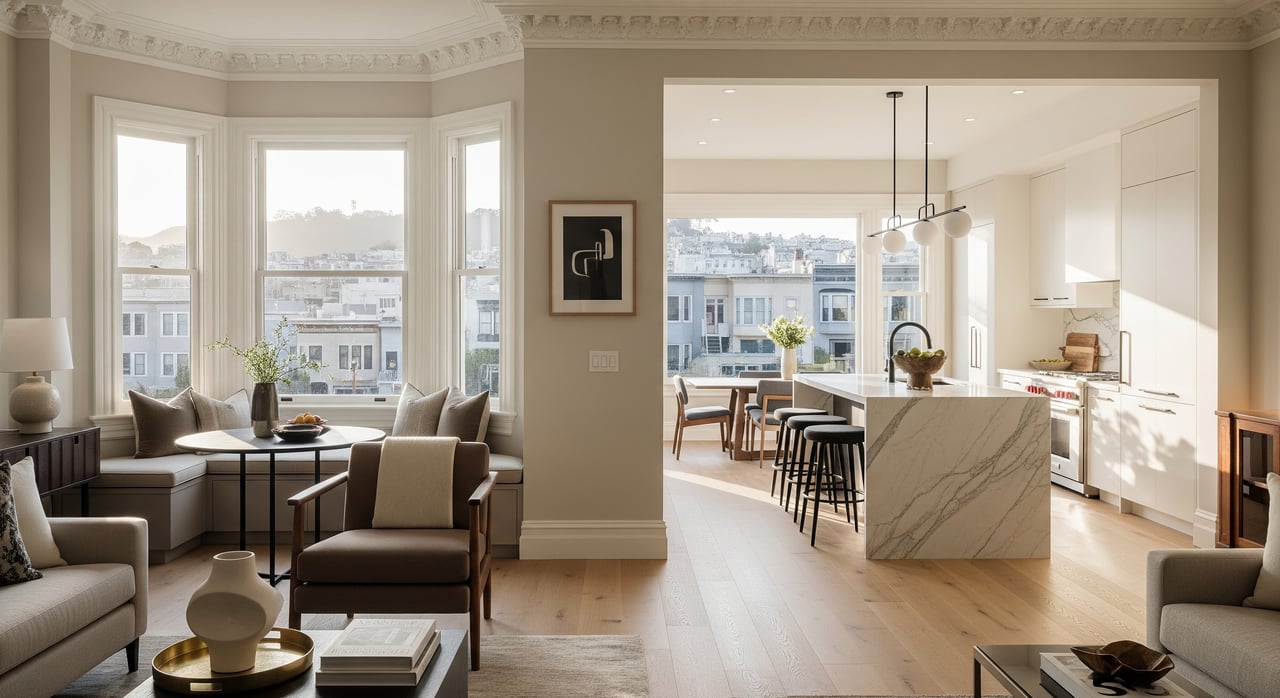
Thinking about listing your Noe Valley home this spring but unsure if Compass Concierge will actually improve your bottom line? You are not alone. Many sellers want a clear plan that balances speed, cost, and return without draining cash before the sale. In this guide, you will learn how Compass Concierge works, what prep moves resonate with Noe Valley buyers, how to timeline a spring launch, and a simple way to model ROI so you can make a confident decision. Let’s dive in.
What Compass Concierge is
Compass Concierge is a funding and coordination solution that helps you pay for targeted pre-listing improvements with an advance that is typically repaid at closing. The goal is simple: remove cash-flow friction so you can complete high-impact prep that lifts photos, showings, and offers.
Because terms can vary by office and can change over time, plan to verify details locally before you commit. Use this quick checklist:
- Eligible services: painting, flooring, lighting updates, kitchen and bath refreshes, landscaping, deep cleaning, staging, photography, and small repairs. Confirm any excluded items, such as large structural remodels or additions.
- Cost structure: ask if advances are interest-free, if there are fees or administrative charges, and when repayment appears on your closing statement.
- Repayment: confirm repayment at closing from sale proceeds and how the line item will factor into your net proceeds.
- Vendors: clarify whether you can use approved Compass vendors or your own, and who holds contracts and pays invoices.
- Approvals and caps: confirm pre-approval steps, project caps, and who signs the scope of work.
The takeaway: Concierge is a tool. Your returns depend on selecting the right scope and executing cleanly for the Noe Valley buyer pool.
What Noe Valley buyers expect
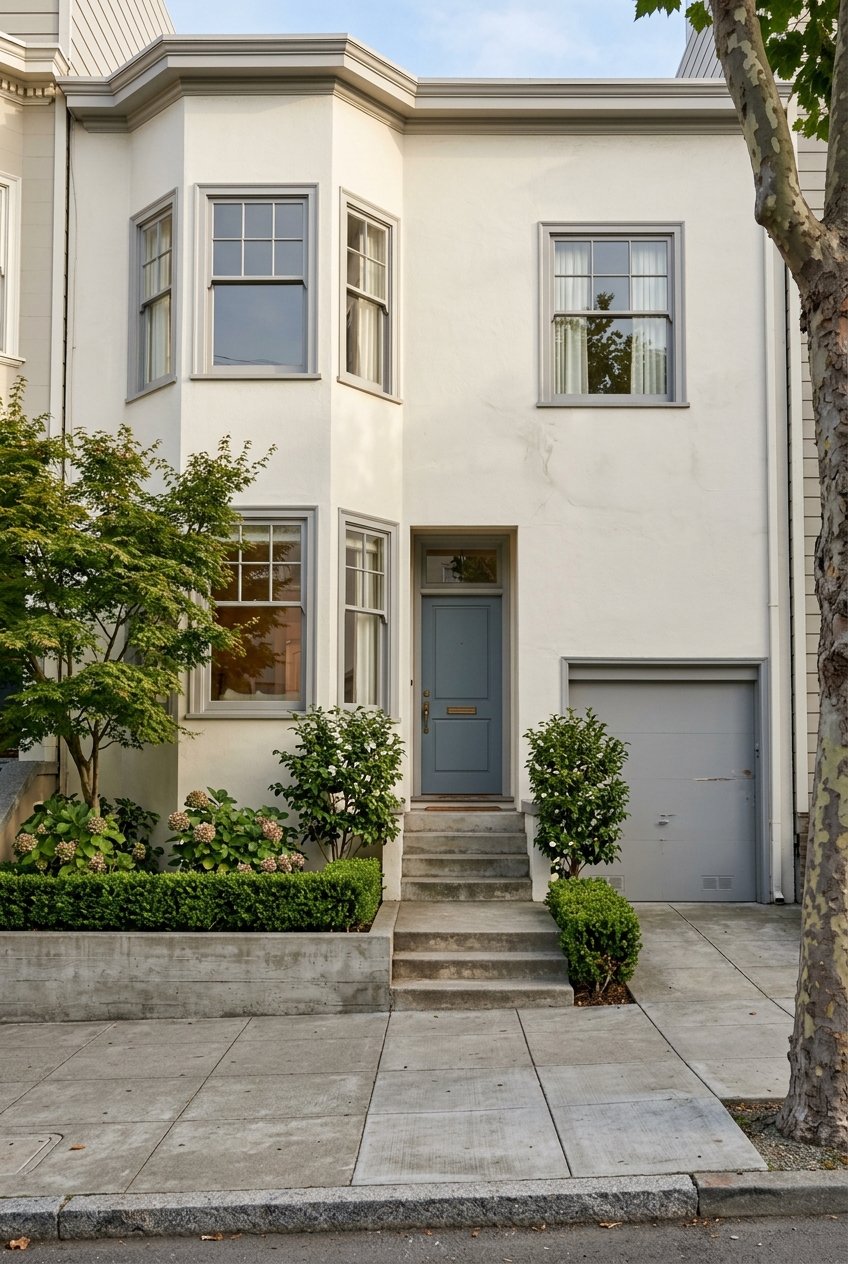
Noe Valley is known for period Victorian and Edwardian homes, walkable streets, and small outdoor spaces. Many buyers value a polished, move-in-ready feel that preserves character. In spring, small differences in condition, light, and flow can drive meaningful differences in show traffic and offers.
Here is what typically resonates:
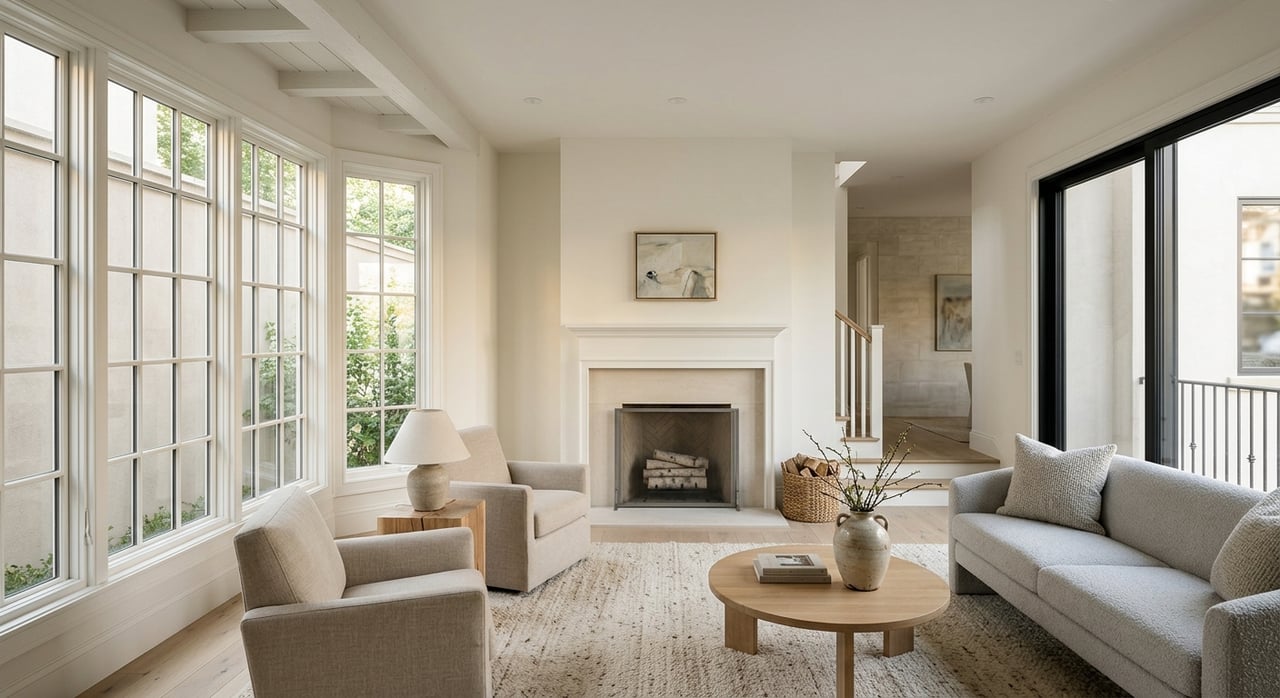
- Light, neutral interiors that photograph well and feel airy
- Hardwood or high-quality flooring with continuity across living spaces
- Updated lighting for brighter rooms and better photos
- Kitchens and baths that feel fresh without a lengthy remodel
- Usable outdoor areas or decks styled for entertaining
High-ROI prep scopes in Noe Valley
Interior paint
- Scope: neutralize bold walls, refresh trim and doors, and touch up ceilings with spot drywall repair.
- Why it works: paint is the fastest visual uplift. It brightens rooms and helps photos pop, which can expand your buyer pool.
- Typical timeline: 2 to 7 days for a 2 to 3 bedroom single-family home, including prep and drying.
Flooring refresh
- Scope: refinish original hardwood, replace worn carpet, and repair tile where needed.
- Why it works: floors are highly visible in photos and walkthroughs. Preserving original hardwood aligns with the character many buyers want.
- Typical timeline: 3 to 7 days for refinishing plus ventilation; 1 to 2 weeks for replacement depending on scope.
Lighting and electrical refresh
- Scope: replace dated fixtures, add recessed lighting in dark kitchens, upgrade bulbs to warm, bright LEDs, and update switches and outlets.
- Why it works: San Francisco homes can be light-limited. Better lighting improves photos and the feel of every showing.
- Typical timeline: 1 to 3 days for fixtures and minor wiring. Larger electrical work may require permits.
Kitchen and bath “refresh”
- Scope: paint cabinets, replace hardware and lighting, regrout and caulk, swap faucets, and consider a simple vanity replacement.
- Why it works: kitchens and baths sell homes. A focused refresh modernizes the feel without long delays or over-investment.
- Typical timeline: 3 to 10 days depending on the scope.
Staging and declutter
- Scope: professional staging, rental furniture, accessory styling, and coordinated decluttering and storage.
- Why it works: staged homes generally photograph better, draw more attention, and can reduce days on market.
- Typical timeline: 1 to 3 days prior to photography.
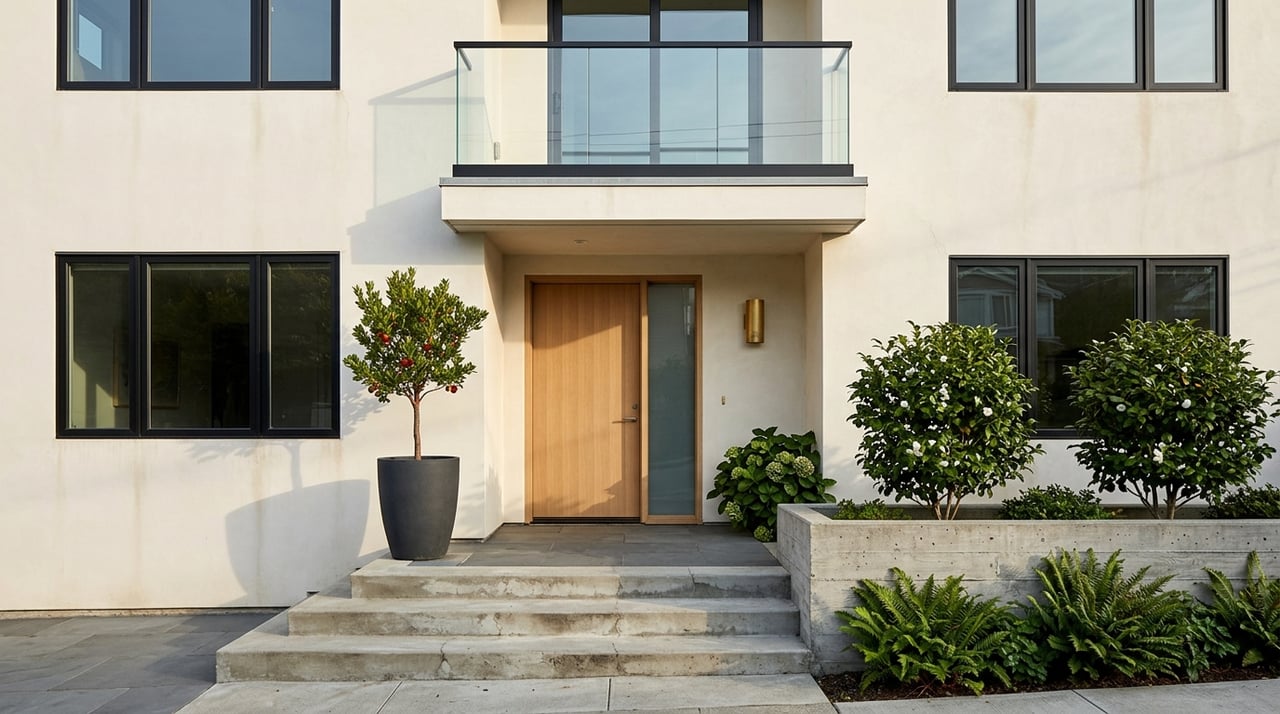
Landscaping and curb appeal
- Scope: tidy the front garden, add new mulch and plantings, power wash, touch up gates and entries, and stage decks or patios.
- Why it works: first impressions form in seconds. A welcoming entry and usable outdoor space can boost online and in-person engagement.
- Typical timeline: 2 to 7 days.
Minor repairs, deep cleaning, and inspections
- Scope: fix squeaks, tighten railings, patch small roof leaks, clear gutters, consider termite or roof inspections, and complete a professional deep clean.
- Why it works: fewer visible issues reduce buyer objections and potential repair credits at escrow.
- Typical timeline: 1 to 7 days depending on items.
Note on costs: San Francisco pricing runs above national averages. Expect interior paint to range from the low thousands into the mid tens of thousands for whole-home projects, flooring refinishing to be several thousand depending on the number of rooms, lighting updates to span from hundreds to low thousands per fixture with labor, landscaping from a few hundred to several thousand, and staging to start around a few thousand for partial staging and higher for full-home staging. Always get local quotes and align the scope with comps.
Timeline for a spring launch
If you aim to list between March and May, work backward to secure vendors and approvals. Contractor availability tightens as spring approaches, so start early.
- Weeks −10 to −8: complete pricing analysis with your advisor, walk the property with a designer, define scope and budget, collect quotes, and apply for Concierge if using it.
- Weeks −7 to −5: schedule contractors, order long-lead items like fixtures or flooring, and begin decluttering and storage.
- Weeks −4 to −2: complete paint, flooring refinishing, lighting upgrades, and kitchen or bath refreshes. Tackle landscaping and exterior cleaning.
- Week −1: finish punch-list items, deep clean, stage, and complete professional photography and copy.
- Launch week: go live, host broker tour, and schedule open houses.
Avoid scope creep that adds permits or multi-month remodels. Permits for structural, plumbing, or major electrical work can extend timelines by weeks.
How ROI works for sellers
The right way to measure return is by incremental net proceeds. You compare a baseline sale without improvements against a sale with improvements, after all costs. Here is a simple template you can use:
- Baseline price without improvements: P0
- Expected price with improvements: P1
- Improvement cost: C
- Selling costs: SC, typically a percentage of sale price
- Holding costs during the prep period: H
Net proceeds baseline: NP0 = P0 − SC(P0) − H0
Net proceeds improved: NP1 = P1 − SC(P1) − H1 − C
Incremental net gain: NP1 − NP0
ROI on improvements: (NP1 − NP0) ÷ C
Example scenarios using a Noe Valley price band
These examples are illustrative only to show the math. Your numbers will vary with comps, scope, and market conditions.
- Baseline P0: 1,800,000
- With-prep P1: 1,920,000
- Cost C: 30,000 for paint, lighting, landscaping, deep clean, and staging
- Selling costs SC: 5.5 percent of sale price
Calculations:
- NP0 = 1,800,000 − 99,000 = 1,701,000
- NP1 = 1,920,000 − 105,600 − 30,000 = 1,784,400
- Incremental net gain = 83,400
- ROI = 83,400 ÷ 30,000 = 278 percent
A conservative case might assume a smaller price lift and the same cost:
- Baseline P0: 1,800,000
- With-prep P1: 1,860,000
- Cost C: 30,000
- Selling costs SC: 5.5 percent
Calculations:
- NP0 = 1,800,000 − 99,000 = 1,701,000
- NP1 = 1,860,000 − 102,300 − 30,000 = 1,727,700
- Incremental net gain = 26,700
- ROI = 26,700 ÷ 30,000 = 89 percent
What this shows: even modest condition improvements can add meaningful net when aligned with buyer expectations. Results depend on price elasticity in your segment, spring demand, and staying within neighborhood comps.
Design-led coordination that maximizes net
A design-led approach keeps the entire process focused on what buyers see and value. It links scope, budget, and sequencing to photography and first impressions. Here is how to make it work:
- Start with a market-facing design brief: define your target buyer and price band, then tailor color, lighting, and layout to that audience.
- Prioritize visible wins: Tier 1 items like paint, lighting swaps, deep clean, and staging of key rooms often deliver the best return.
- Build tiered budgets: Tier 2 items such as flooring refinishing, simple kitchen or bath refreshes, and landscaping add polish without long delays. Avoid Tier 3 items like full remodels unless the ROI is clear and timing fits.
- Order early and schedule smart: order fixtures and flooring as soon as the scope is locked. Paint after major dusty work. Stage after finishes and final clean.
- Vet contractors carefully: request references, recent San Francisco project photos, insurance, and a written scope with dates. Require punch-list completion before photography.
- Photograph to the strategy: schedule professional photos the day after staging and final clean. Capture twilight exteriors and highlight outdoor spaces that matter to Noe Valley buyers.
Permits, disclosures, and risk management
Stay within scopes that avoid lengthy permits when you are targeting a spring timeline. If work could trigger permits, verify requirements with the City and County of San Francisco before you begin. Keep a 5 to 10 percent contingency for unexpected repairs. Maintain organized records of invoices and approvals and ensure any Concierge advances and repayments are documented for closing. Disclose completed work per local requirements.
Next steps for Noe Valley sellers
If you want to compare a baseline sale against a design-led, Concierge-assisted prep plan, start with comps and an onsite walk to define scope and timelines. From there, you can model conservative and optimistic ROI paths before you commit. If you are aiming for March through May, begin your planning now to secure vendors and keep the calendar on track.
For a tailored plan that fits your property, timing, and goals, connect with Amanda Jones. You will get a clear pricing strategy, a design-forward prep plan, and hands-on coordination that keeps the process calm and your net proceeds front and center.
FAQs
How does Compass Concierge repayment work for Noe Valley sellers?
- Repayment typically occurs at closing from sale proceeds, but you should confirm specific fees, terms, and closing statement details with your local Compass agent and the current program materials.
Which home prep items usually qualify under Concierge?
- Common items include painting, flooring, lighting updates, kitchen and bath refreshes, landscaping, deep cleaning, staging, photography, and small repairs, subject to local program eligibility.
When should I start if I want to list in spring?
- Begin planning 8 to 10 weeks before your target launch to secure vendors, order materials, complete work, stage, and finish photography without rushing.
Is a full kitchen or bath remodel worth it before listing?
- For spring timelines, focused refreshes usually offer better speed and ROI than full remodels, which often require permits and can take months.
How do I calculate ROI on pre-sale improvements?
- Compare net proceeds with and without improvements by factoring in sale price, selling costs, holding costs, and the improvement budget, then divide the net gain by the cost.
Can I choose my own contractors with Concierge?
- Policies vary by office, so confirm whether approved vendors are required or if you can use your team and who holds the contracts and pays invoices.