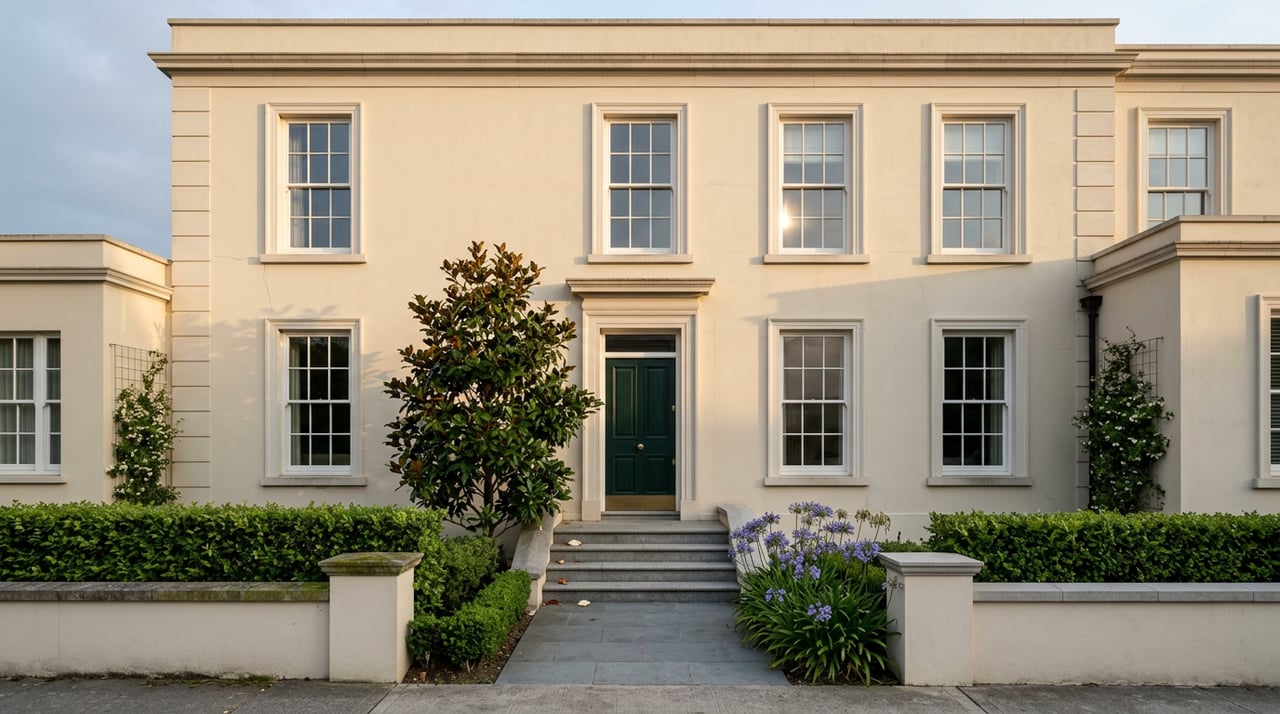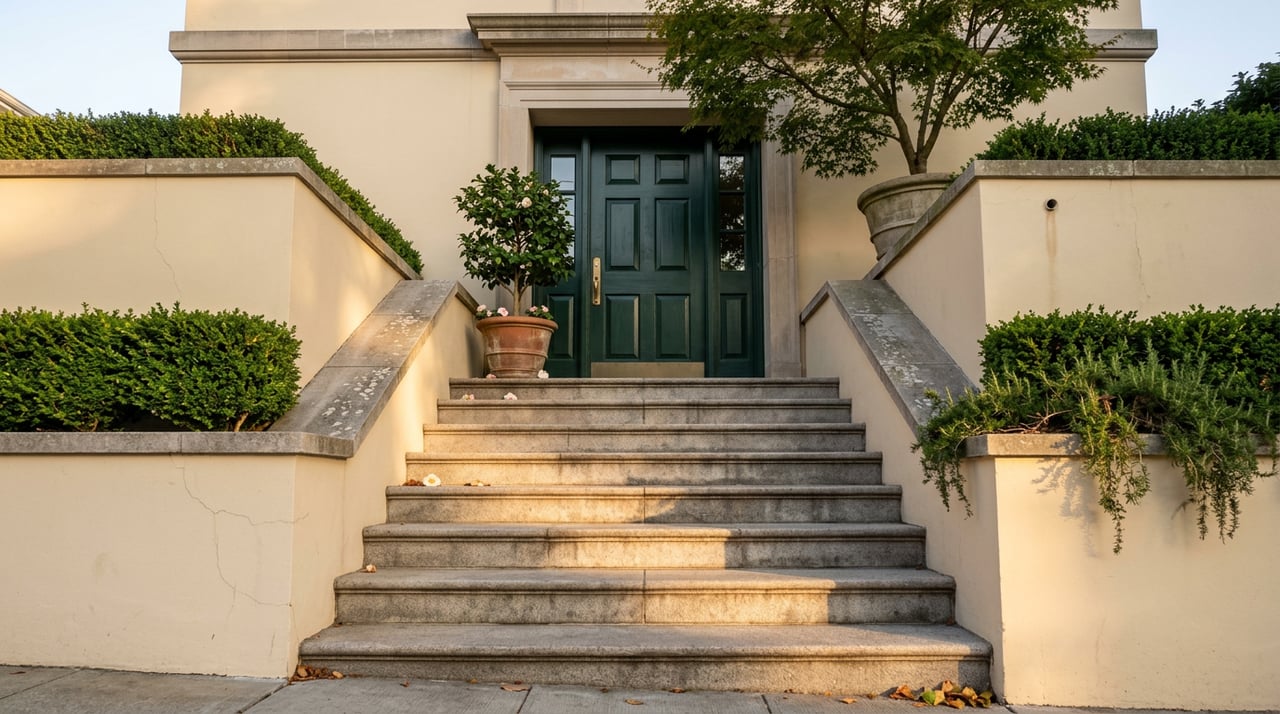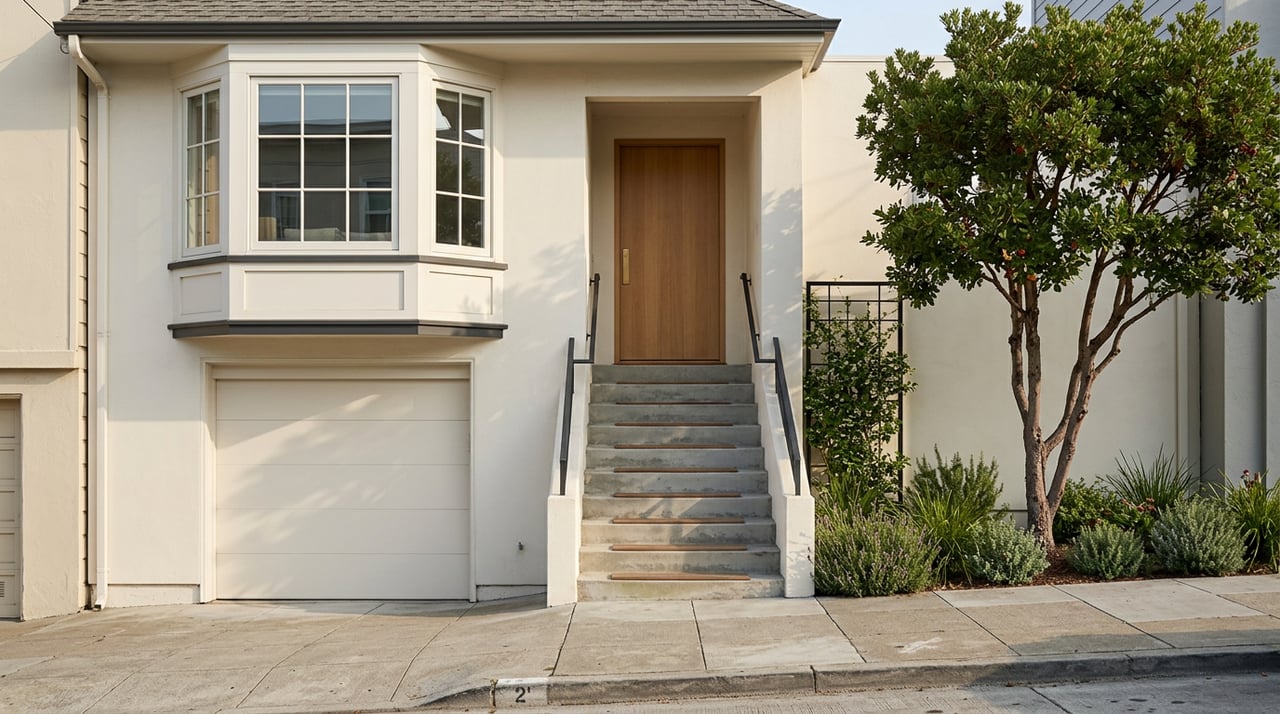
Buying your first home in Noe Valley can feel like trying to catch a moving train. Listings are limited, the best homes move fast, and every decision affects your budget and timeline. If you want to compete with confidence, you need a clear plan that fits this neighborhood’s market and housing types.
This roadmap walks you through pricing realities, loan limits, offer tactics, inspections, permits, and closing costs specific to San Francisco. You will learn how to set your budget, choose between single-family, condo, and TIC, and write a clean, competitive offer. Let’s dive in.
Noe Valley market at a glance
Median sale prices hover around the low to mid $2 million range in recent reports, with a January 2026 snapshot showing roughly $2.25 million and about 19 days on market. That speed signals strong demand for move-in-ready homes.
Turnkey single-family Victorians and well-updated two to three bedroom homes often command premiums. Entry-level pricing typically appears with smaller condos and some TIC units, which trade lower but come with different financing and ownership tradeoffs.
What this means for your budget
Plan for offers in the mid to high $1 million range for entry options, and $2 to $3 million or more for renovated single-family homes. Many Noe Valley single-family properties sell above the high-cost conforming loan ceiling, so jumbo financing is common here. That affects rates, underwriting, documentation, and cash needed to close.
Step 1: Get your financing set early
Know your loan limits
For 2026, the baseline conforming loan limit is $832,750, and the high-cost area ceiling for San Francisco County is $1,249,125. Purchases that require borrowing above that ceiling will need non-conforming jumbo or portfolio loans with different underwriting and sometimes higher rates. Confirm your options early so your offer can be both aggressive and realistic. You can verify current limits through the Federal Housing Finance Agency’s announcement on conforming loan limits for 2026 at the FHFA.
Pick a loan type that fits your target
- Conventional conforming. Works when your loan amount is at or under the conforming or high-cost limits. Down payment options can be flexible across many lenders.
- FHA. In high-price markets, FHA use can be limited and condo projects must meet FHA approval rules. Check current eligibility and local FHA limits with HUD.
- Jumbo or portfolio. If your price point takes you above the high-cost ceiling, explore jumbo or portfolio financing. Requirements vary by lender, and relationship pricing or larger down payments may apply. Start this conversation well before you tour.
- Condo vs TIC financing. Standard condo financing is widely available with conventional lenders when the building meets project standards. TICs require specialized fractional TIC loans or portfolio products, usually from a smaller set of lenders. Expect tighter underwriting and potentially higher down payments or rates. Review product specifics with a TIC-experienced lender, such as those who outline TIC requirements in detail at BPM’s TIC financing overview.
Secure a true preapproval
In competitive neighborhoods, sellers and listing agents expect a full, written preapproval from a reputable lender, not a quick prequalification. Strong preapprovals, clear proof of funds, and lender contact details increase your credibility. For strategy on framing your offer amount and terms, see this overview on offer planning and preapproval from AmeriSave.
Check assistance programs
If you are a first-time buyer, explore state and local programs that may help with down payment or closing costs. CalHFA periodically offers programs like MyHome and shared appreciation structures that can help qualified buyers. Review current options directly with CalHFA.
Step 2: Map your property type fit
Single-family homes
- Pros: Maximum control, private outdoor space, conventional or jumbo financing is widely available, and strong long-term appeal to a broad buyer pool.
- Cons: Higher purchase prices, plus full responsibility for maintenance and possible seismic, foundation, or systems upgrades in older structures.
Condominiums
- Pros: More lender options and down payment flexibility, shared maintenance, and often a practical entry point in expensive neighborhoods.
- Cons: Monthly HOA dues, potential special assessments, and project-level factors that can influence lender availability or appraisal outcomes. Review HOA documents, reserves, and any upcoming repairs before you commit.
Tenancy-in-Common (TIC)
- Pros: Often a lower price point than comparable condos or single-family homes, which can broaden your options in a high-cost market.
- Cons: Non-standard financing with fractional TIC loans or portfolio products, which can involve higher down payments and rates. Resale liquidity can be narrower than condos. The TIC agreement is critical. Confirm lender availability and review exit provisions, maintenance rules, and reserves with professional guidance. For an overview of loan structures and requirements, see this TIC financing guide.
Step 3: Shop with a plan
Track data and move quickly
In Noe Valley, speed and certainty matter. Track recent sales on the streets you like, watch days on market, and review pricing trends by property type and condition. Use this data to set a clear ceiling for each listing and be ready to tour on short notice.
Build a short list of must-haves
Decide which features are non-negotiable and which you can improve after closing. A home that needs light updates may offer a better entry price than a fully renovated one. Your agent can help you weigh budget, timeline, and likely resale impact.
Step 4: Write a competitive offer in Noe Valley
What sellers prioritize
Sellers often favor certainty. Strong preapproval, proof of funds, a realistic, data-based price, and a clean timeline can move your offer to the top of the stack. Many buyers also plan for a shorter close when their lender and escrow team can support it.
Tactics and tradeoffs
- Escalation clauses. These can help you compete without starting at your maximum price. They require careful drafting, a sensible cap, and coordination with your lender in case the final price outpaces the appraised value. For a practical overview, read the offer strategy guide from AmeriSave.
- Appraisal gap language. Some buyers offer to cover a shortfall between the appraisal and contract price. This can strengthen a bid but increases your cash risk. Confirm with your lender that you can cover any potential gap.
- Contingency decisions. Waiving all inspections or the appraisal can make an offer look clean, but it shifts risk to you, especially with older homes. Many advisors suggest leading with price, financing strength, and earnest money before removing core protections.
Submit a clean package
Include a signed offer, full preapproval with lender contact, proof of funds, and all seller-requested disclosures. If you are offering on a TIC, add the fractional TIC preapproval letter.
Step 5: Inspections, permits, and hidden costs
Inspect like a local
For older San Francisco housing stock, plan for a full home inspection plus targeted follow-ups: pest and termite, sewer lateral scope, and a foundation or structural check if recommended. If the property is multi-unit, ask about seismic screening or soft-story requirements.
San Francisco’s Mandatory Soft-Story Retrofit Program applies to certain wood-frame multi-unit buildings and can involve significant work. Retrofit costs are commonly estimated in the tens of thousands of dollars, often about $60,000 to $130,000 depending on building size and scope. Review program details and check for outstanding orders through the City’s soft-story program page.
Check permits and ADU potential
Before you plan any post-close projects, review the property’s permit history with the Department of Building Inspection and Planning. State ADU reforms require ministerial approval when certain criteria are met, and some ADU permits are subject to a 60-day ministerial review timeline. Local rules and historic-district contexts still matter. See the city’s ADU policy discussions and timelines in this Planning hearing transcript.
Budget realistic renovation contingencies
National Cost vs. Value studies show smaller exterior projects and minor kitchen or bath updates tend to have stronger percentage returns than full gut remodels. San Francisco construction costs run higher than national averages, so get local bids and carry a 10 to 20 percent contingency, especially for older homes where structural or seismic surprises can surface. Use recent planning benchmarks such as the Cost vs. Value overview.
Step 6: Plan your closing costs and taxes
San Francisco’s documentary transfer tax is tiered and scales with price, which can be meaningful at Noe Valley price points. Add escrow, title, recording, and lender fees to your estimate. A conservative buyer-side estimate is often 2 to 3 percent of the purchase price, depending on your loan, rate points, and prepaid items. Review current brackets and details on the City’s transfer tax page.
A simple first-time buyer timeline
- Weeks 1–2: Get fully preapproved. Confirm conforming vs jumbo capacity and monthly affordability. If considering TICs, secure fractional TIC preapproval now.
- Weeks 2–4: Study recent Noe Valley sales and set a target range by property type. Align on must-haves vs nice-to-haves.
- Weeks 3–6: Tour quickly as homes list. Track days on market and price per square foot. Tighten your ceiling for each address.
- Offer week: Use data to set price. Decide on escalation, appraisal-gap language, and contingency scope with your lender and agent. Prepare a clean submission package.
- After acceptance: Order inspections. Review disclosures, HOA or TIC documents, and permit history. Engage specialists for foundations, sewer, pest, or seismic as needed.
- Closing prep: Lock your rate, finalize loan conditions, and schedule signing and insurance. Plan utilities and move logistics.
Buying your first home in Noe Valley is absolutely doable with a focused plan, the right financing, and a clean offer. If you want expert guidance on property type fit, TIC versus condo tradeoffs, inspections, and how to stand out on offer day, connect with Amanda Jones for a private consultation tailored to your goals.
FAQs
Can I get a 30-year fixed loan for a Noe Valley home?
- Yes. If your loan amount is at or under the local high-cost ceiling you can use a conforming 30-year product, but many purchases here require jumbo or portfolio financing above the $1,249,125 ceiling. See the 2026 limits from the FHFA.
How do TICs work for first-time buyers in San Francisco?
- TICs can lower the price point but need specialized fractional TIC loans, which often have stricter terms, and rely on a strong TIC agreement. Review financing and agreement details with a TIC-experienced lender and attorney. See an overview at BPM’s TIC financing guide.
Should I waive inspection to win a Noe Valley home?
- It can make an offer look clean, but it increases your risk in older housing. Many buyers lead with price, strong preapproval, and earnest money before removing key protections. Discuss scope with your agent and lender.
What closing costs should I expect when buying in San Francisco?
- Budget escrow, title, recording, and lender fees, plus San Francisco’s tiered transfer tax. A conservative buyer estimate is often 2 to 3 percent of price. Review current brackets on the City’s transfer tax page.
What is the 2026 high-cost conforming loan limit in SF County?
- The 2026 high-cost ceiling is $1,249,125. Borrowing above that typically requires jumbo or portfolio financing with different underwriting. Confirm details via the FHFA’s announcement.