Thinking about selling in the Inner Richmond but unsure where to start? You want a look that feels current, highlights your home’s character, and attracts strong offers without sinking months into renovations. With the right prep, you can elevate your home’s first impression, shorten time on market, and protect your bottom line.
In this guide, you’ll learn which design-first updates pay off in San Francisco, how to stage and market your home for maximum impact, what timelines to expect, and smart ways to fund the work. Let’s dive in.
What Inner Richmond buyers notice first
Inner Richmond listings are often competitive, and neighborhood metrics can swing month to month because the sample of sales is small. Recent public snapshots show many homes trading in the mid 1.6 to 1.8 million range, but the right price strategy still comes from fresh, local comps and an in-person assessment. Use these figures as context only and lean on a current CMA for your specific plan.
Buyers here value proximity to Golden Gate Park and Clement Street, as well as the period character you see in Edwardian and Victorian homes. They respond to light-filled rooms, updated kitchens and baths, usable outdoor spaces, and strong photography. According to national agent research, photos, video or virtual tours, and staging are among the most important listing assets for buyers and their agents. Prioritize visuals and presentation from the start. NAR’s home staging research underscores this point, and the Compass Inner Richmond guide highlights the neighborhood’s architectural appeal and lifestyle draw.
High-impact, low-cost updates
Want quick wins that move the needle without major construction? Start here.
- Declutter, deep clean, depersonalize. This is a must before staging and photos. It is inexpensive, fast, and sets the tone for everything that follows. NAR research on staging places decluttering and cleaning among the top pre-listing basics.
- Whole-house neutral paint. Fresh paint brightens rooms, helps spaces read larger, and photographs beautifully. It is a consistent, high-value seller prep step in national studies.
- Lighting and hardware swaps. Replacing dated fixtures, cabinet pulls, and door hardware modernizes rooms for a relatively small spend and pays off in photos and showings.
Floors and period details
Original floors and trim are part of the Inner Richmond’s charm. Lean into them.
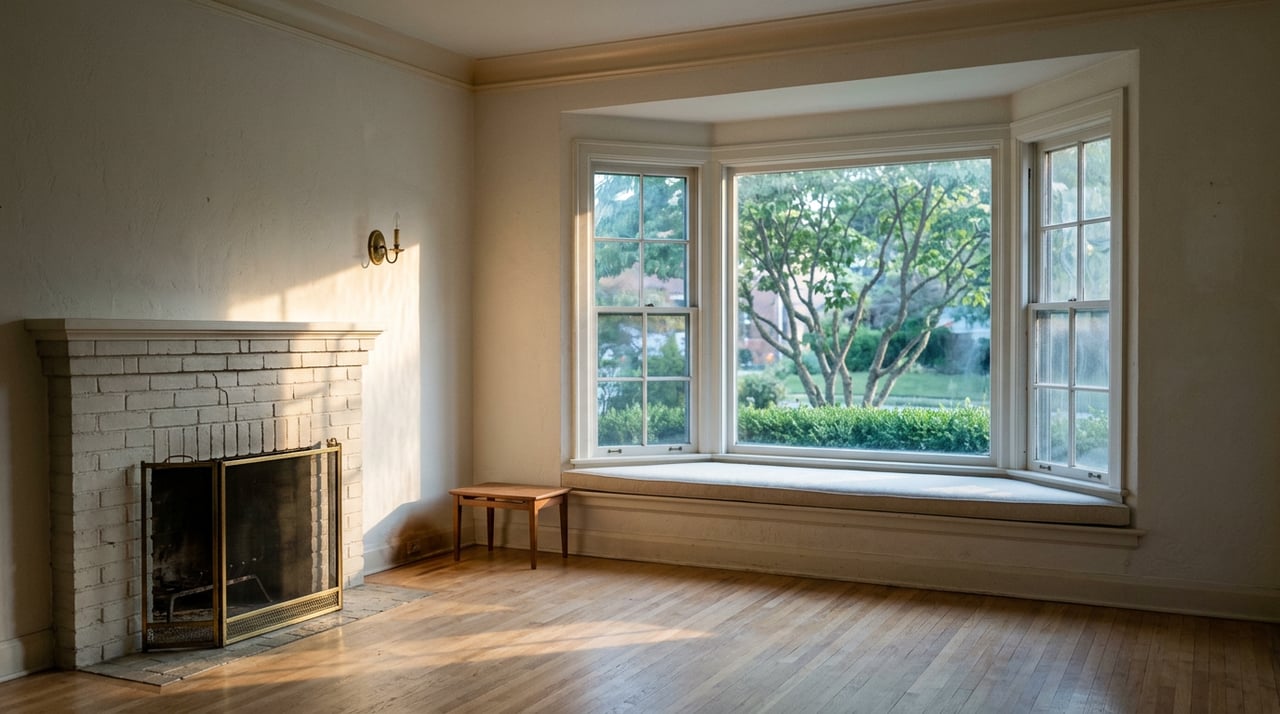
- Refinish existing hardwood. Refinishing is often one of the highest cost-recovery projects in national surveys, and many older San Francisco homes have quality hardwood hiding under carpet. It preserves character and delivers strong buyer appeal. See the cost-recovery insights in NAR’s staging and prep research.
- Preserve bay windows, moldings, and trim. Repair and paint rather than replace. Then stage to subtly highlight these features. Many buyers prefer thoughtful updates that respect period detail. The Compass Inner Richmond guide speaks to this balance of classic bones and modern living.
Kitchen and bath strategy
Most sellers do best with targeted, design-forward refreshes instead of full gut remodels.
- Minor kitchen remodels. Think cabinet front refresh or paint, updated counters, modern appliances, and new lighting. National Cost vs. Value data show midrange and minor kitchen projects can return a high percentage of cost at resale. For most Inner Richmond homes, a purposeful refresh is more cost-efficient than a full overhaul. Review the national perspective in the 2025 Cost vs. Value Report.
- Bathroom refreshes. Focus on watertight repairs, regrout and caulk, new fixtures, and contemporary mirrors or hardware. Aim for clean and modern rather than ultra-luxury features that the comps do not support. See project ROI context in Zonda’s Cost vs. Value overview.
Curb and entry upgrades
First impressions matter, both online and at the showing.
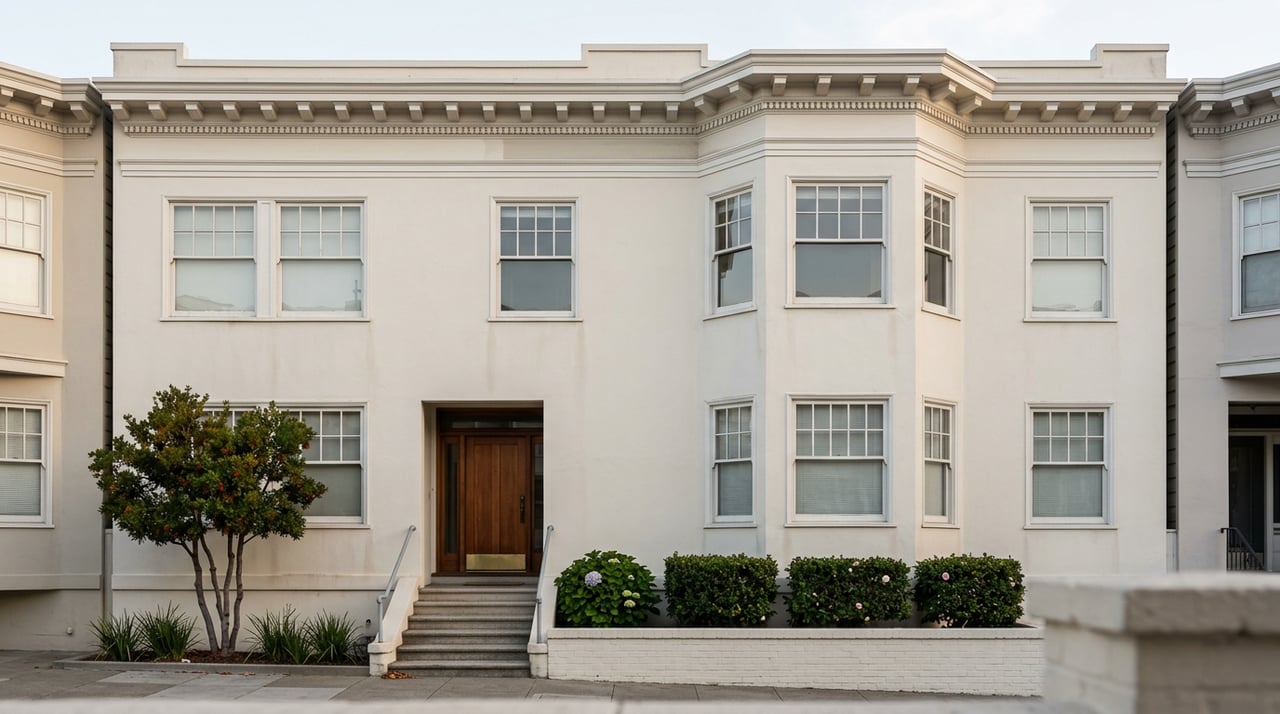
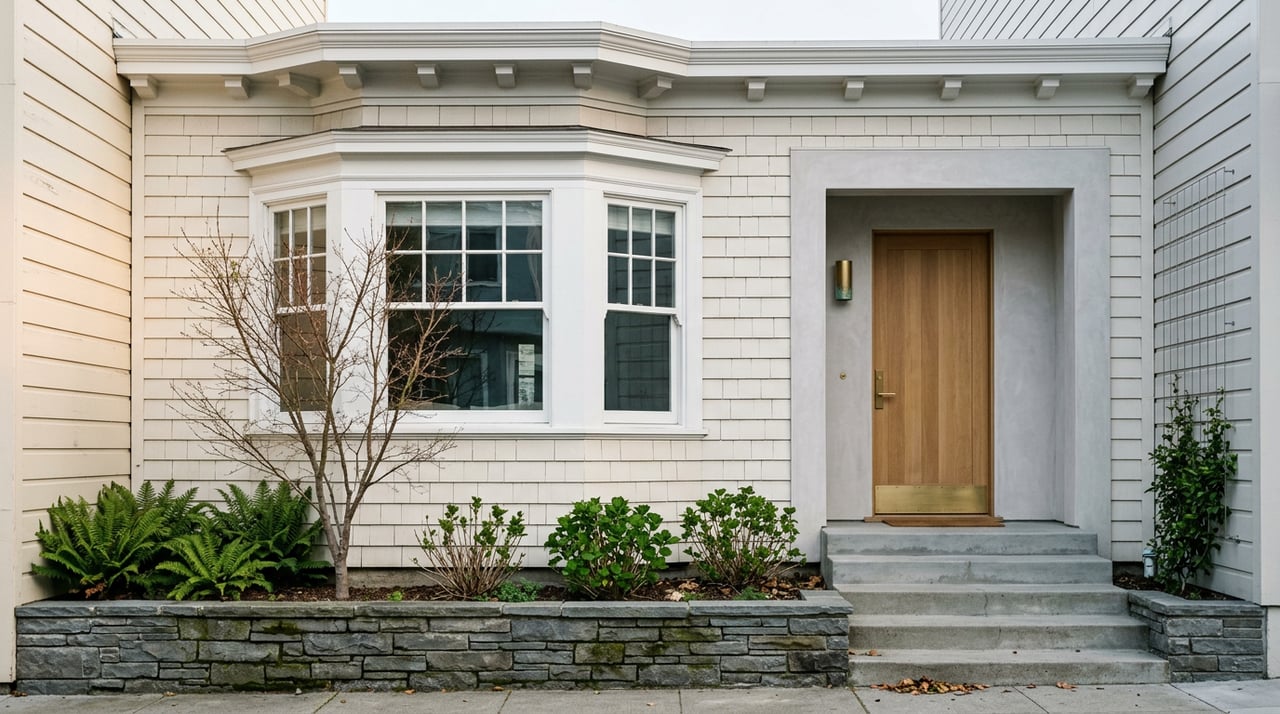
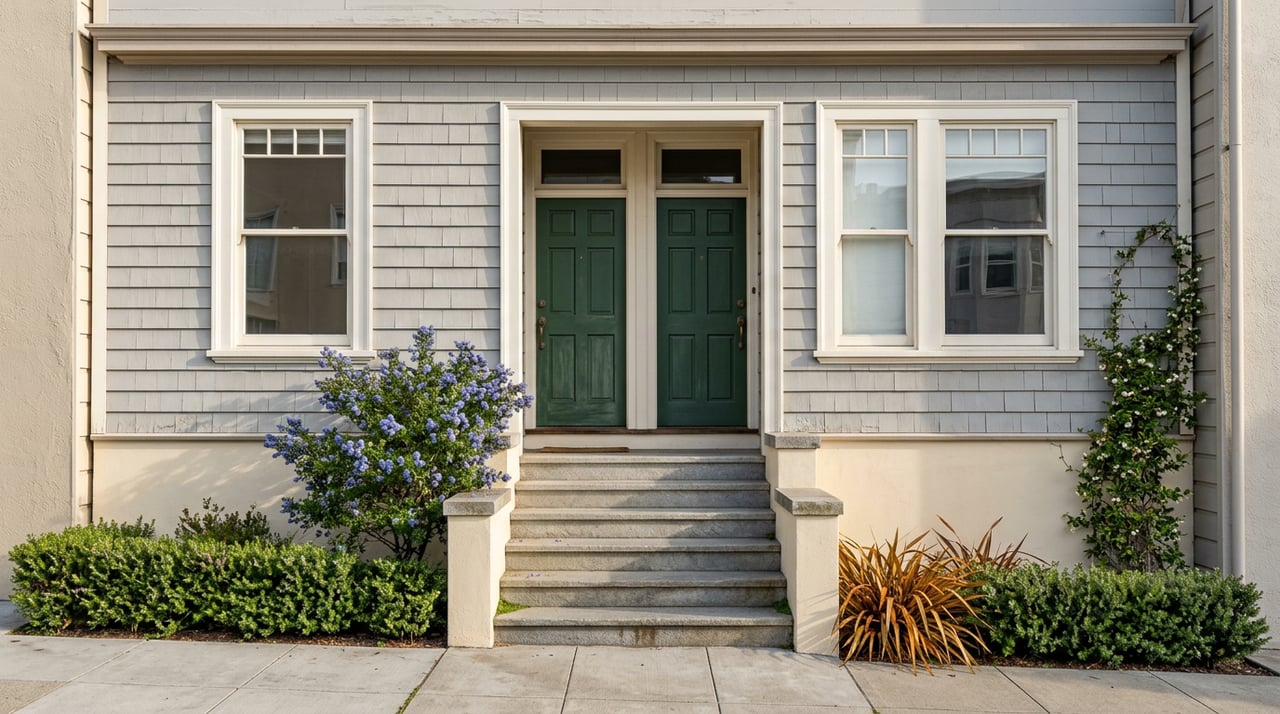
- Front door and façade touchups. Clean paint lines, a crisp house number, and a modern mailbox or sconce raise perceived quality. National data show exterior projects like entry door updates often deliver outsized returns vs. cost. Explore the exterior ROI pattern in the Cost vs. Value Report.
- Tidy, well-lit stoop. On dense Inner Richmond blocks, a clean, welcoming entry photographs well and sets a positive tone before buyers step inside.
Stage and shoot for online impact
Staging and standout visuals are essentials, not extras, in San Francisco.
- Staging priorities. If you stage nothing else, stage the living room, the primary bedroom, and the kitchen. These rooms most influence buyer perception and can reduce days on market. Partial or agent-led staging, as well as virtual staging, can work when budgets are tight. See the effect in NAR’s staging profile.
- Photography and virtual assets. Hire a professional real estate photographer. Ask for HDR images, a detailed floor plan, and either a Matterport-style 3D tour or a high-quality virtual tour. Consider a twilight exterior image for your hero shot if the property suits it. Bay Area photographers typically deliver within 24 to 48 hours and offer packages that scale by listing size. For local package context, see a San Francisco service provider’s overview at XL Real Estate Photography.
Recommended deliverables checklist:
- 25 to 40 MLS-quality images with verticals kept straight and rooms shot wide
- A measured floor plan with square footage callouts where available
- A 3D or virtual tour to increase online engagement
- One twilight exterior image if curb appeal and lighting merit it
Permits and inspections in San Francisco
Save time by knowing what needs a permit and what does not.
- Permits. Many cosmetic updates such as interior painting and simple flooring in non-bath areas typically do not require permits. Kitchen or bath work, structural changes, electrical, and some exterior items do. San Francisco’s Department of Building Inspection offers Over-the-Counter permits for simpler work and an Electronic Plan Review for more complex plans. Permit-triggering projects can add weeks or more. Review DBI guidance at the City’s site: SF DBI permit services.
- Pre-listing inspections. In the Bay Area, sellers commonly order general home, wood-destroying organism, and sometimes sewer lateral CCTV inspections before listing. Addressing visible system issues early can prevent escrow delays. See a local pre-listing checklist for context at SFResidential. Compass Concierge also lists sewer lateral inspection and remediation among covered services, which can help if issues surface.
Timelines you can plan around
Every home is different, but these ranges are typical if vendors are available.
- Fast cosmetic path. Declutter, paint, light fixture updates, and staging can often be completed in 1 to 2 weeks. Photographers can usually shoot within 24 to 48 hours after staging. See timing insights in NAR’s staging research and local photo turnaround norms via XL Real Estate Photography.
- Minor renovations. Floor refinishing and a minor kitchen refresh commonly take 2 to 6 weeks including scheduling and coordination. For national cost and scope references, consult Zonda’s Cost vs. Value.
- Permit-triggering work. Plan for 4 to 12+ weeks depending on DBI plan review and contractor schedules. Use Over-the-Counter or Electronic Plan Review routes for smaller projects when possible. Check the latest process at SF DBI.
Budgets and funding options
Costs vary by scope and square footage. Use these ranges as a starting canvas and get bids from local contractors before you commit.
- Declutter and deep clean. Low hundreds to low thousands, depending on size and whether you hire help.
- Whole-home interior paint. Often in the low thousands to $10,000+ for larger multi-level homes.
- Professional staging. Many metro-area staging packages run several thousand dollars. Nationally, agents report modest median spends across a range of approaches. See spend and impact context in NAR’s staging report.
- Hardwood refinishing. Often several thousand dollars for a typical single-family footprint, with high cost-recovery reported in national surveys. Reference NAR’s findings.
- Minor kitchen refresh. Midrange projects often land in the tens of thousands nationally. See representative scope and ROI in the 2025 Cost vs. Value Report.
- Photography and tours. Around 175 to 800+ dollars in San Francisco depending on package and add-ons. For local context, see XL Real Estate Photography.
Funding options:
- Compass Concierge. This program can front the cost of staging, painting, flooring, landscaping, and more, with zero due until close in many markets. You repay when the home sells, the listing is terminated, or after a program time limit. Terms vary by state and lender underwriting. Compass discloses that Concierge Capital loans are provided by Notable Finance, LLC, and some credits can be tied to affiliated services. Review details and confirm your eligibility at Compass Concierge.
- Alternatives. If you prefer not to use Concierge, consider paying out of pocket, a HELOC or bridge loan, contractor financing, or selling as-is. Each path affects your net, schedule, and risk differently. Discuss with your agent and a mortgage advisor before choosing.
Smart ROI and common pitfalls
You want to invest where buyers will notice, and avoid overbuilding.
- Evidence-backed ROI. National studies identify a short list of winners: exterior curb appeal projects like entry or garage door upgrades, minor kitchen updates, and hardwood floor refinishing. These consistently rank high for cost recovery. See the national patterns in NAR’s research and Zonda’s Cost vs. Value.
- Do not over-improve. Lavish upgrades beyond what comparable homes on your block offer often do not pay back and can extend timelines. Match finish levels to nearby updated comps and keep your schedule in mind. For permit-triggering work, remember added time and escrow risk. Review local permitting realities at SF DBI.
A simple Inner Richmond prep plan
Use this sequence to keep your project moving and your marketing sharp.
- Agent walkthrough, CMA, and pre-listing inspections. Align on price strategy and identify the work that will matter most. See prep priorities in NAR’s staging report.
- Approve a budget and pick your funding route. Decide between out-of-pocket, HELOC, or Compass Concierge. Confirm program terms for your specific sale.
- Schedule vendors in the right order. Painting, then floor refinishing, then minor kitchen and bath work, followed by final clean and staging install. Book the photographer right after staging. For local photo deliverables and timelines, see XL Real Estate Photography.
- Launch with best-in-class marketing. Publish pro photos, a measured floor plan, and a 3D or virtual tour. Consider a twilight exterior image as your hero if it suits the property.
Work with a design-forward team
You deserve an advisor who can manage the details and keep your goals front and center. Amanda Jones Advisory & Associates blends two decades of San Francisco market expertise with design-led preparation and hands-on project management. From vendor coordination and Compass Concierge to staging, pricing, and negotiation, you get a boutique process that maximizes your outcome without the chaos.
Ready to map your Inner Richmond prep plan and timeline? Book a private consultation with Amanda Jones.
FAQs
What are the best ROI updates before selling in San Francisco’s Inner Richmond?
- Focus on curb appeal touches, minor kitchen refreshes, and hardwood refinishing, which rank high for cost recovery in national studies, then stage key rooms and invest in top-tier photos.
How much does professional staging cost for a San Francisco home?
- Packages often run several thousand dollars in metro markets, and national agent data show a wide range of spend; target the living room, primary bedroom, and kitchen first to maximize impact.
Do I need a permit for painting, floors, or kitchen work in San Francisco?
- Interior painting and simple flooring in non-bath areas typically do not require permits, while kitchen or bath work, structural changes, and electrical often do; check current rules at SF DBI and plan extra time if permits are needed.
How does Compass Concierge help fund pre-listing work?
- Compass Concierge can front costs for staging, painting, flooring, landscaping, and similar updates with repayment at close in many markets, subject to eligibility and lender underwriting; confirm terms for your sale on the Compass site.
How fast can I list my Inner Richmond home after deciding to sell?
- A cosmetic path of decluttering, paint, lighting swaps, and staging can take 1 to 2 weeks, with photos typically delivered 24 to 48 hours after staging, while minor renovations may add 2 to 6 weeks and permit-triggering work 4 to 12+ weeks.
Should I replace or refinish hardwood floors before listing?
- If you have solid hardwood, refinishing is usually preferred because it preserves character and often ranks high for cost recovery in national surveys; replacement is best reserved for floors that cannot be saved.