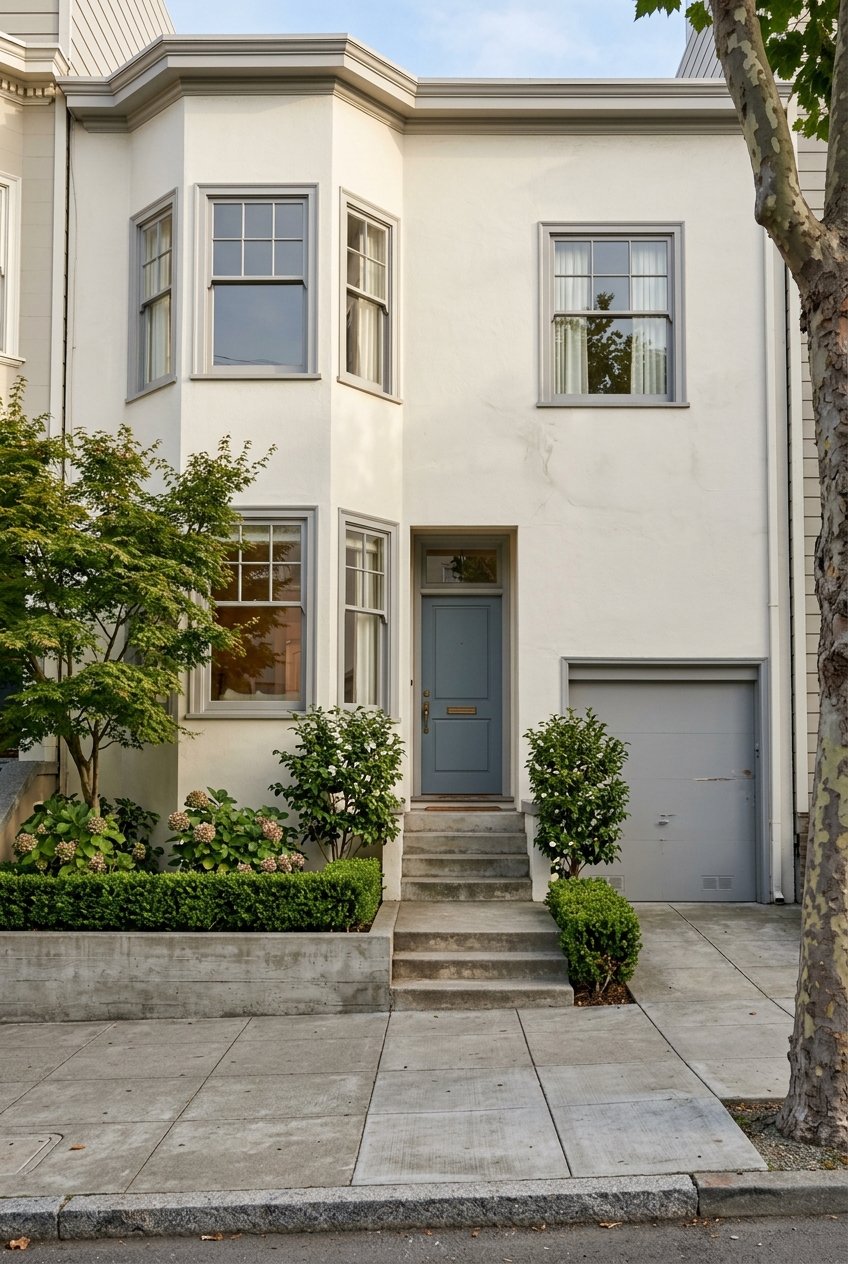
Hoping to buy in Noe Valley, only to see the best homes draw a crowd within days? You are not alone. With limited inventory and strong interest from local families and relocating professionals, multiple-offer situations are common. In this guide, you will learn exactly how to prepare, price, and structure your offer so you can compete with confidence, while still protecting your interests. Let’s dive in.
Why Noe Valley draws multiple offers
Noe Valley offers a rare mix of neighborhood retail, small parks, and a variety of homes, which keeps demand high. Many buyers pursue single-family houses or larger flats that offer outdoor space, functional bedrooms, and parking. Because supply is limited, the most appealing listings often receive several offers in a short timeframe.
You can improve your odds by tracking key signals before you write. Watch Days on Market, the list-to-sale price trend, and recent comparable sales from the last 90 to 180 days. Pay attention to seller instructions too, such as deadline offers or requests for highest and best, since these shape your strategy.
Your winning framework
Prepare before the right home appears
Start with a strong local buyer’s agent who knows Noe Valley and has relationships with listing agents. Obtain a full mortgage preapproval that outlines your loan type, amount, and any conditions, rather than a simple prequalification. Have clean, current proof of funds ready for your down payment and earnest money.
Line up your inspection team in advance. In Noe Valley’s older housing stock, you may need a general home inspector, a pest inspector, and specialists for foundation, sewer, and structural items. Decide your maximum price, contingency tolerance, and preferred timing so you can move fast and stay within your comfort zone.
Price with local proof
Anchor your offer in recent comparable sales and current market tempo. If the list-to-sale price trend shows consistent over-asking outcomes in similar homes, model several price scenarios before offer day. Present a clean, fully documented offer packet that includes your preapproval, proof of funds, and a short summary from your agent that highlights your readiness.
Consider the psychology of numbers and how you communicate them. Some buyers prefer a single strong number, others consider an escalation clause with a clear cap. Discuss the pros and cons with your agent so your price strategy matches both the market data and the seller’s instructions.
Terms that tip the scales
In tight competitions, non-price terms can carry real weight. Shorter contingency periods, a larger initial deposit, and flexibility on the seller’s preferred closing date can help. If the seller needs time after closing, offering a rent-back can be decisive.
Address appraisal risk early. You can commit to appraisal gap coverage up to a specific amount, increase your down payment to reduce lender risk, or, if feasible, consider cash terms that remove appraisal dependence. Keep repair requests limited or consider an inspection credit where appropriate, balancing appeal with safety and financial prudence.
Execute with clarity
Deliver a complete, easy-to-review offer by the stated deadline. Confirm the title and escrow company preferences and be ready to accommodate quick scheduling. Communicate through your agent to understand what matters most to the seller, then tailor your terms without overreaching on risk.
Smart use of escalation clauses
An escalation clause can automatically outbid competing offers up to your cap. If you use one, include a clear calculation method, a specific increment, and a firm maximum. Ask for written proof of the competing offer or confirmation from the listing side to verify the trigger.
Not all sellers accept or prefer escalation language. Some choose clean, highest-and-best numbers. Before you include an escalation clause, have your agent confirm the listing agent’s preference and how they plan to review offers.
Noe Valley due diligence essentials
Single-family and rowhouses
Older Victorian and Edwardian homes can hide issues behind beautiful facades. Common items include unpermitted additions, foundation settlement that shows up as uneven floors, knob-and-tube wiring, lead paint in older finishes, and galvanized plumbing. Review the permit history and look for seismic and soft-story retrofits where relevant.
Roofing, drainage, and hillside conditions matter. Some homes experience water intrusion at basements or along foundations in certain microclimates. A thorough inspection and drainage evaluation can save you from surprises after closing.
Condos and HOAs
Ask for HOA financials, reserve studies, and insurance details so you can spot special assessments or funding gaps. Review meeting minutes for signs of litigation, major projects, or policy changes. Understand owner-occupancy rules, rental restrictions, and pet policies, since these can affect how you plan to use the home and your long-term costs.
Multi-unit and tenant factors
If you are considering a small apartment building or multi-unit property, review the rent roll and lease terms and understand how local rent ordinance rules may affect your plans. Confirm building systems, electrical capacity, and parking arrangements. If the property was converted to condominiums or has an HOA component, check any shared obligations or retrofit status.
Sewer lateral, systems, and hazards
Verify whether any sewer lateral requirements apply at transfer and who will handle compliance or costs. In older wooden structures, check for pest or dry rot, chimney condition, and the age and function of HVAC and water heaters. Review the Natural Hazard Disclosure for flood, landslide, or liquefaction considerations that appear in San Francisco’s microclimates.
Permits and unpermitted work
Always research permit history with the City and County of San Francisco. Unpermitted additions, converted garages, or electrical and plumbing updates without approvals can affect safety, insurance, and future resale. If you discover unpermitted work, consult your inspector and consider contractor or legal guidance before adjusting contingencies.
Contingencies and risk tradeoffs
Core protections, explained
An inspection contingency allows you to investigate and, if needed, request repairs, credits, or cancel. A financing contingency protects you if your mortgage is not approved within the timeframe. An appraisal contingency protects you if the appraised value comes in below your offer. Title protections are standard and should generally remain in place unless you fully understand the risk.
Shortening timeframes can make your offer stronger, but it reduces your protection. Avoid a home sale contingency in competitive scenarios when possible, since it typically weakens your position. If you modify any contingency, be clear about your limits and timelines in writing.
Appraisal gap strategies
If you plan to cover a potential low appraisal, structure your gap coverage as a specific dollar amount or a percentage. Confirm with your lender that the loan program allows the promise you plan to make. Model the worst-case scenario so you know your total cash exposure before you sign.
Clean offers and seller certainty
Sellers value fully documented offers that reduce friction. Include your preapproval, proof of funds, and a short, professional cover note from your agent. Keep requests for seller credits minimal unless they are tied to known issues the seller already disclosed.
Quick checklists
Pre-offer
- Select an experienced Noe Valley buyer’s agent with strong local relationships.
- Get a full lender preapproval with clear conditions and contact information.
- Prepare proof of funds for your down payment and earnest money.
- Line up inspectors and specialists who understand older San Francisco homes.
- Decide your maximum price, contingency limits, and timeline flexibility.
- Draft a clean offer packet with contract, preapproval, proof of funds, and a concise agent summary.
After acceptance
- Order inspections immediately and track all contract deadlines.
- Confirm permit history and any city compliance items with the appropriate departments.
- Review HOA documents if applicable, including minutes and reserve studies.
- Coordinate the appraisal and provide access for the appraiser.
- Verify any required certificates or retrofit commitments before closing.
Communication and Fair Housing
Some buyers consider a brief personal letter to explain why the home and neighborhood fit their needs. If you choose to share one, keep it factual and avoid any information related to protected classes such as race, religion, or family status. Focus instead on neutral points like your appreciation for the property’s design or proximity to parks and retail.
Ask your agent to learn what matters most to the seller. Timing, certainty, and minimal requests often rise to the top. Use that feedback to tailor your terms without exceeding your risk tolerance.
Ready to compete in Noe Valley?
With clear preparation, a price anchored in local data, sharp terms, and property-specific due diligence, you can write a competitive offer that still protects your interests. If you want a tailored plan, a curated inspector network, and negotiation that reflects two decades of San Francisco experience, connect with Amanda Jones for a private consultation.
FAQs
How do I know if a Noe Valley home will get multiple offers?
- Watch Days on Market, recent comparable sales, and seller instructions like offer deadlines or highest and best requests. Short market times and strong comps often signal competition.
What can I do if I cannot waive inspection but want to stay competitive?
- Consider a shorter inspection period, limit requests to major safety or structural issues, or offer a specific credit in lieu of a repair list to streamline the process.
Is an escalation clause better than a single high number in Noe Valley?
- It depends on the seller’s preference and how the listing agent plans to review offers. Some prefer simple, clean numbers. Confirm before you include escalation language.
How can I address a potential low appraisal without overcommitting?
- Set a clear appraisal gap cap and confirm your loan program allows it. Model the cash impact at your cap so you are confident about the worst-case scenario.
What due diligence is most important for older Noe Valley homes?
- Permit history, foundation and drainage, electrical and plumbing updates, pest and dry rot, and any seismic or soft-story retrofits. Use specialists familiar with San Francisco housing.
How big should my earnest money deposit be in a competitive offer?
- A larger deposit can signal commitment, but it remains tied to your contingencies. Choose a number that is persuasive while still aligned with your risk tolerance and contract terms.
Can I include a personal letter with my offer in San Francisco?
- You can, but keep it neutral and factual. Avoid any information about protected classes and focus on the property itself, following Fair Housing guidelines.