Trying to choose between a TIC and a condo in Pacific Heights? You are not alone. In this part of San Francisco, two homes can look nearly identical from the sidewalk but come with very different ownership structures, financing paths, and resale considerations. If you are weighing your options, understanding those differences early can help you avoid surprises and buy with more confidence. Let’s dive in.
Pacific Heights Creates Both Options
Pacific Heights is known for steep streets, Bay views, and architecturally distinctive homes. According to San Francisco Travel, the neighborhood stands out for its dramatic setting and notable residential character. That visual appeal is part of why buyers are often drawn to the area in the first place.
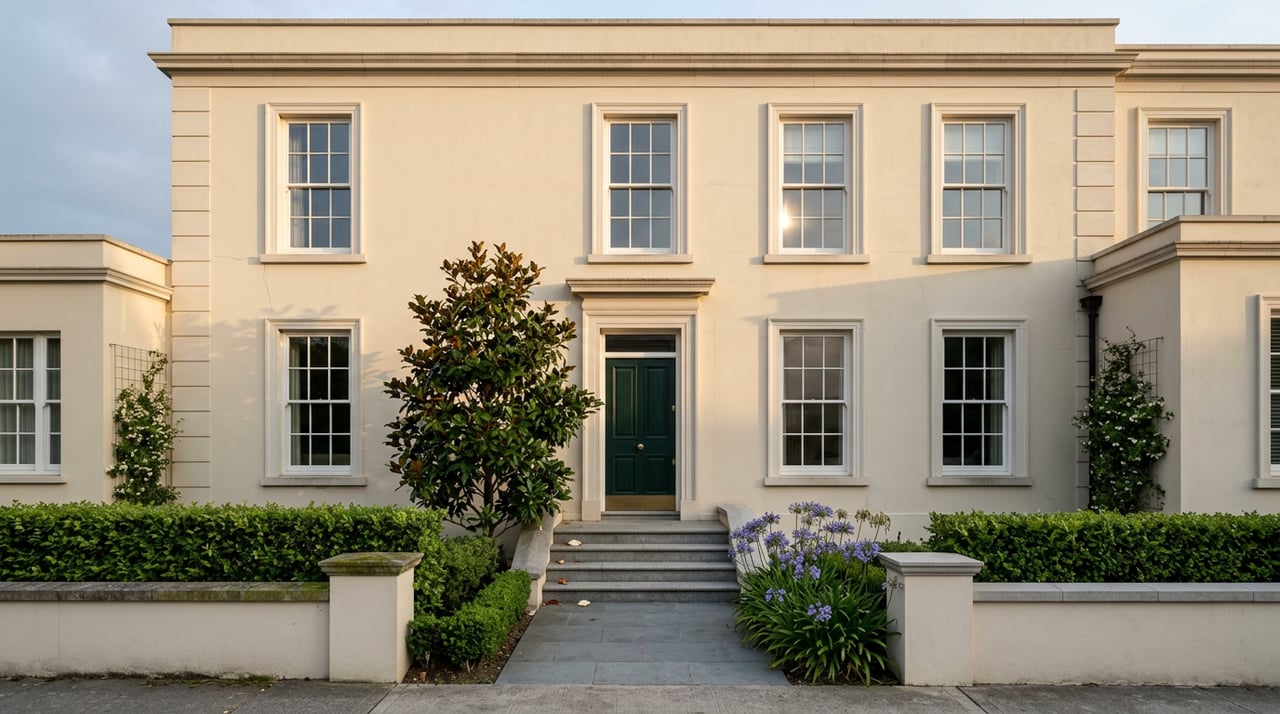
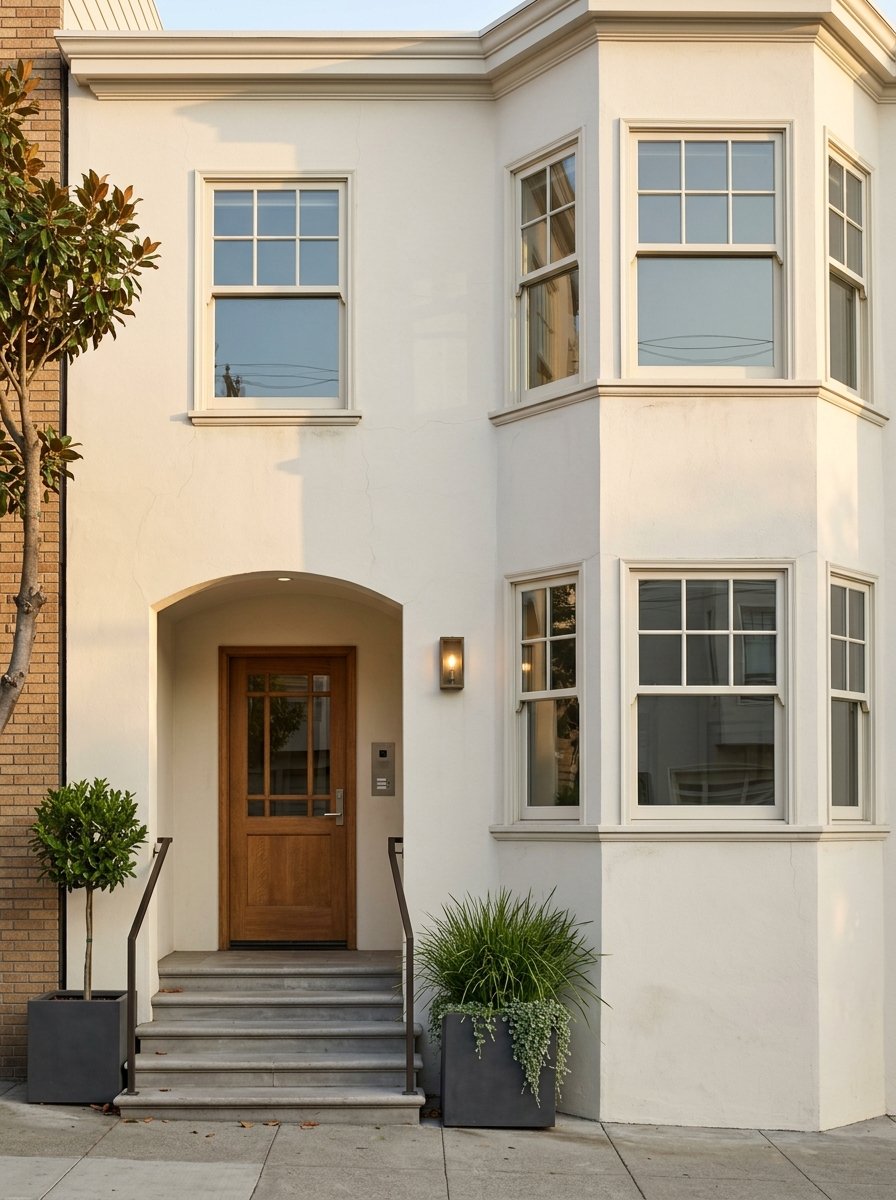
But Pacific Heights is not only made up of large detached homes. City planning materials describe a mix that includes older multi-unit buildings, Edwardian flats, and historic residences that evolved over time as land values changed. In practical terms, that means you will find both condominiums and TICs in buildings that may look similar, especially in older multi-unit properties around the neighborhood’s established residential corridors.
What a TIC Means in Pacific Heights
A tenancy-in-common, or TIC, is a form of co-ownership where multiple owners share one parcel. The San Francisco Assessor explains that a common example is a two-flat building where each party occupies a separate flat, but the property remains legally one parcel rather than separate units.
That legal structure affects day-to-day ownership. TIC owners generally share one property tax bill and must coordinate payment together. If a percentage share is sold, only that share is reassessed at current market value, which is another detail the Assessor highlights.
In Pacific Heights, TICs are often found in smaller legacy flat buildings and older multi-unit properties. That lines up with the neighborhood’s historic building stock, where many residences predate modern condo patterns and later parceling. For buyers, the takeaway is simple: the building may feel like a condo in layout, but the ownership mechanics can be very different.
Why TIC financing feels different
Financing is one of the biggest decision points. SF Planning notes that TIC and joint-ownership buildings are often underwritten more conservatively than comparable condos, which can mean higher down payments and interest rates.
That does not mean financing is unavailable. It means the lender pool is often narrower and more specialized. If you are considering a TIC in Pacific Heights, it helps to go into the process expecting more lender-specific review and a bit more coordination.
Why TIC administration requires more coordination
Because a TIC is one parcel, ownership tends to involve more shared administration than a condo. Taxes are a common example, but the larger point is that co-owners usually need clear agreements and communication around shared responsibilities.
That can work well for the right buyer and building. Still, if you prefer a more standardized ownership structure with less reliance on co-owner coordination, that difference matters.
What a Condo Changes for Buyers
A condo is a separately parceled unit with its own property tax bill. The San Francisco Assessor contrasts this with TIC ownership and notes that condo and TIC buildings may appear physically similar even though they are legally different.
For many buyers, that separate parcel structure creates a more familiar ownership experience. It also usually supports a more standard financing and resale path. In a neighborhood like Pacific Heights, where older buildings can vary widely from one address to the next, that can be a meaningful advantage.
Condo ownership includes HOA review
With a condo, your diligence extends beyond the unit itself. You are also evaluating the homeowners association, including dues, reserves, insurance, repairs, and overall project health.
Fannie Mae notes that project eligibility can be affected by issues such as critical repairs, inadequate insurance, or pending litigation. In older San Francisco buildings, shared structural items and deferred maintenance are especially important to understand before closing.
Why building health matters in older properties
Pacific Heights has many older and architecturally significant buildings. That is part of the neighborhood’s appeal, but it also means buyers should pay close attention to common-area conditions and how the association handles future costs.
Fannie Mae also points out that shared repairs, such as major building components, may be covered through reserves or special assessments. For you, that means the monthly HOA dues are only one piece of the financial picture.
TIC vs Condo in Pacific Heights
If you are comparing the two, the biggest differences usually come down to parcel structure, financing, administration, and resale flexibility.
| Factor | TIC | Condo |
|---|---|---|
| Legal structure | Co-ownership of one parcel | Separate parcel for each unit |
| Property taxes | Typically one shared tax bill | Separate tax bill per unit |
| Financing | Often more specialized and conservative | Usually more standardized |
| Ownership coordination | More shared administration with co-owners | More independent ownership |
| HOA review | Not structured like a condo association | HOA reserves, insurance, repairs, and litigation matter |
| Resale path | Often depends on specialized buyer financing | Usually cleaner and more familiar |
Neither option is automatically better. The better fit depends on your goals, financing profile, and comfort with the ownership structure behind the home.
Condo Conversion Potential Matters
One question comes up often in Pacific Heights: can a TIC eventually become a condo? Sometimes, yes, but the answer is very building-specific.
SF Planning states that San Francisco’s condo conversion program applies to apartment buildings with six residential units or fewer. The city also requires that owners occupy 50 percent or more of the units for three continuous years before entering the annual lottery, and the lottery is capped at 200 units per year.
There is also an expedited conversion program for two-unit buildings. Even so, the same planning guidance makes clear that the process can be paperwork-heavy and may require renovations and outside consultants. Prior evictions, buyouts, or certain unit histories can also disqualify a building.
Why conversion should not be assumed
In Pacific Heights, some smaller legacy buildings may look like strong condo-conversion candidates. But conversion is not a neighborhood-wide trend you can count on. It depends on the specific building, ownership history, occupancy, and compliance with city rules.
That is why conversion potential should be treated as an opportunity to investigate, not a promise built into the purchase price. If your long-term strategy depends on conversion, the building-level facts matter more than general assumptions.
How to Evaluate a Pacific Heights TIC or Condo
When you tour similar-looking properties in Pacific Heights, try to evaluate the legal and financial structure as carefully as the finishes and views.
Questions to ask about a TIC
- Is the property one parcel or separately parceled?
- How are property taxes billed and paid?
- What financing options are realistically available?
- What agreements govern shared responsibilities among co-owners?
- Is there any realistic condo-conversion path under current city rules?
Questions to ask about a condo
- What are the HOA dues and what do they cover?
- How strong are the reserve accounts?
- Is the building dealing with major repairs or deferred maintenance?
- Is there adequate insurance in place?
- Is there pending litigation or another issue that could affect financing?
For condo buildings, Fannie Mae’s Condo Status Finder is one example of how project status can be reviewed for financing concerns before a transaction gets too far along.
Which Option Fits Your Goals?
If you want a more standardized ownership structure, a condo may feel simpler. Separate parceling, separate tax billing, and a more familiar financing path are often attractive, especially if resale flexibility is important to you.
If you are open to a more specialized structure and are focused on a specific building or unit type, a TIC may still be a strong fit. In Pacific Heights, where older multi-unit properties are part of the neighborhood fabric, TICs can offer access to homes that align with your goals and design preferences.
The key is to look past the floor plan alone. In this market, ownership mechanics can shape your financing, your monthly administration, and your future exit strategy just as much as the location itself.
If you are comparing TIC and condo opportunities in Pacific Heights, working with an advisor who understands San Francisco’s building types, ownership structures, and transaction details can make the process much clearer. To talk through your options with a local, high-touch perspective, book a private consultation with Amanda Jones.
FAQs
What is a TIC in Pacific Heights real estate?
- A TIC, or tenancy-in-common, is a form of co-ownership where multiple owners share one parcel, even if each owner occupies a separate flat within the building.
Is a Pacific Heights condo easier to finance than a TIC?
- Usually yes, because condos are separately parceled and tend to fit more standard financing and resale frameworks, while TICs often rely on more specialized lending.
Can a Pacific Heights TIC convert to a condo?
- Sometimes, but only if the building meets San Francisco’s conversion rules and successfully completes the required lottery or expedited program process.
What should you review before buying a Pacific Heights condo?
- You should review HOA reserves, insurance, repair history, possible special assessments, litigation status, and overall project eligibility for financing.
What kinds of Pacific Heights buildings are often TICs?
- Smaller legacy flat buildings and older multi-unit properties are often the most likely candidates for TIC ownership structures in Pacific Heights.
Why do TIC and condo units in Pacific Heights look similar?
- Many older San Francisco buildings have similar physical layouts, but the legal ownership structure behind them can differ significantly between TIC and condo formats.