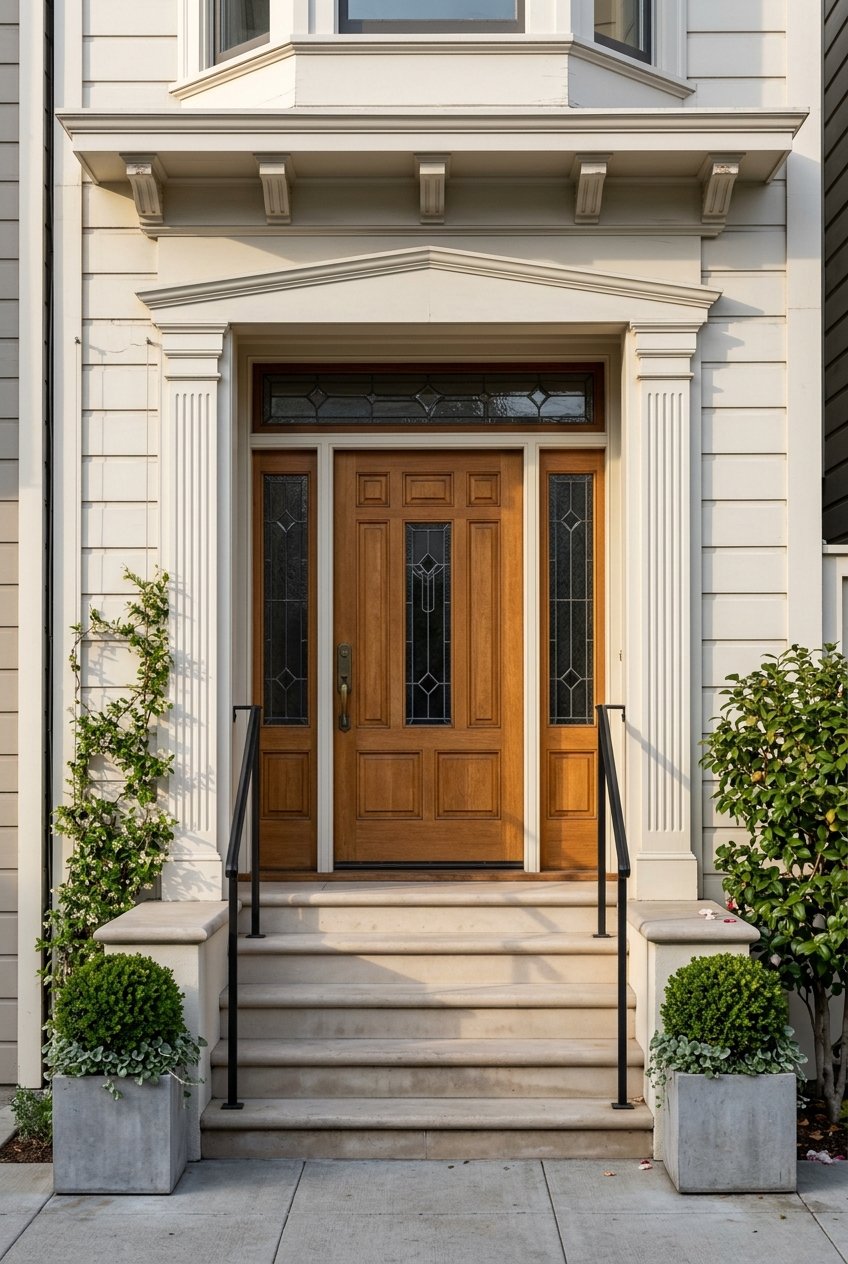
If you love architecture, Pacific Heights is one of those rare San Francisco neighborhoods that rewards you every time you look up. From ornate Victorian survivors to calmer Edwardian facades and stately revival-era homes, the area offers a visual history of the city written directly into its streets. If you are exploring the neighborhood as a buyer, seller, or simply someone drawn to beautiful design, this guide will help you spot the details that matter and understand why Pacific Heights feels so distinct. Let’s dive in.
Why Pacific Heights Feels Architecturally Rich
Pacific Heights did not become visually iconic by accident. San Francisco Planning notes that the area began as sand dunes and chaparral, then evolved into a prestige residential district after the Gold Rush as the street grid took shape in the 1850s and nearby public squares were reserved. Later cable-car extensions made the hills easier to develop, which helped the neighborhood grow into one of the city’s signature residential areas.
Another major reason so much historic fabric remains is that Pacific Heights largely escaped the 1906 Earthquake and Fire. Van Ness Avenue served as a fire break, which preserved many older buildings and allowed the neighborhood to keep an unusually layered streetscape. That survival is a big part of why walking these blocks still feels like moving through multiple architectural eras at once.
The topography matters too. Pacific Heights rises above nearby areas, and the steep grades shaped lot sizes, stair streets, setbacks, and the way homes capture light and views. In practical terms, the hill itself helped create the neighborhood’s dramatic street presence.
The Main Styles To Recognize
Victorian Homes In Pacific Heights
If you are trying to identify a San Francisco Victorian, start with the facade. Planning’s preservation guidance points to asymmetrical fronts, steeply pitched roofs, varied textures or colors, and elaborate detailing. In Pacific Heights, that often shows up in Queen Anne, Stick, and Eastlake-influenced homes with bay windows, turrets, gables, and dense ornament.
These houses tend to feel expressive and visually busy in the best way. They reward close looking, especially when original trim, woodwork, and facade detailing remain intact. For architecture lovers, they often deliver the strongest sense of craftsmanship and individuality.
Edwardian Buildings At A Glance
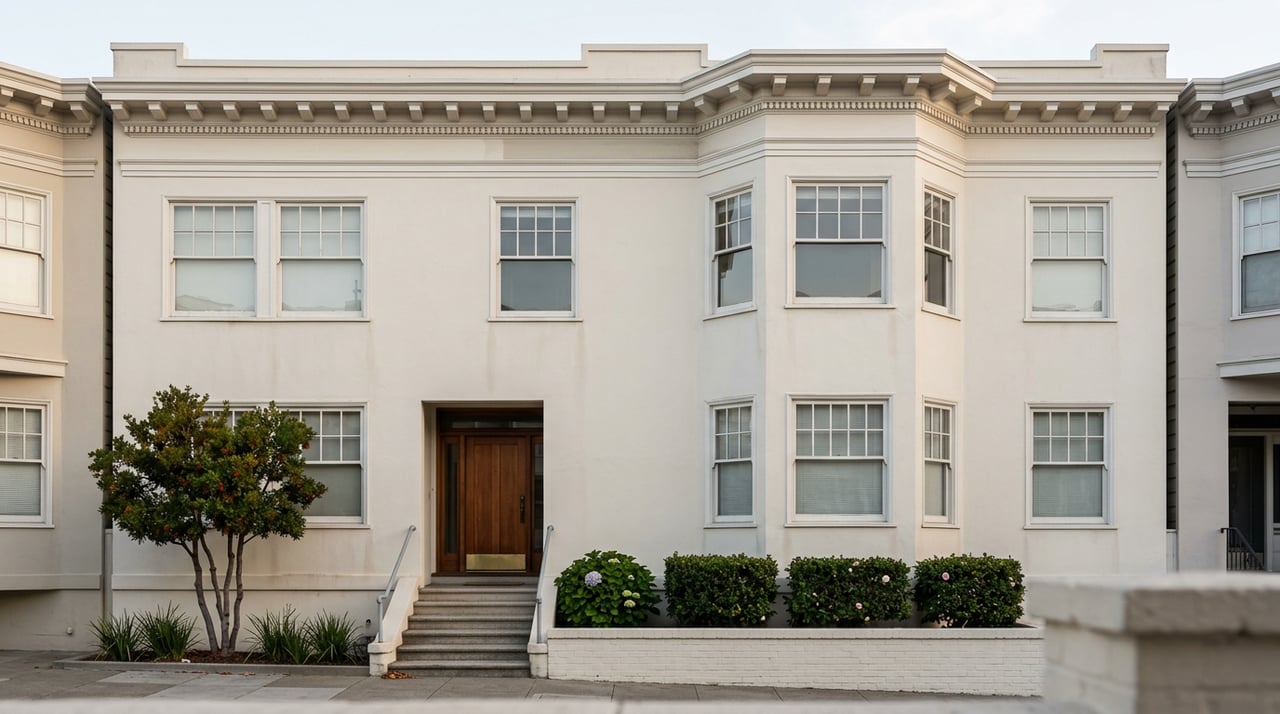
Edwardian architecture in San Francisco is generally associated with the 1901 to 1910 period. Locally, it often appears in flats and apartment buildings, though the category includes several design strands such as Arts and Crafts, Neo-Georgian, Baroque Revival, and Beaux-Arts. Compared with Victorian homes, Edwardian exteriors usually read as calmer, more formal, and less heavily ornamented.
If a Victorian feels decorative and layered, an Edwardian often feels more restrained. The facade may still be elegant, but the visual effect is usually cleaner and more orderly. That difference can make it easier to spot the shift from 19th-century exuberance to early 20th-century refinement.
Revival And Bay Region Influences
Pacific Heights is not frozen in one moment of history. Planning found that many later homes in the neighborhood reflect Shingle or First Bay Region, Craftsman, Classical Revival, and other Period Revival influences. Major Bay Area architects, including Willis Polk, Bernard Maybeck, Lewis Hobart, and Edgar Mathews, also helped shape parts of the neighborhood.
That mix is one reason Pacific Heights feels layered rather than uniform. On one block you may see an older survivor, a grand revival-era residence, and a later apartment building all contributing to the same streetscape. For buyers and sellers, that architectural variety is part of the neighborhood’s lasting appeal.
What Details Matter Most
If you care about architecture, style labels only tell part of the story. Pacific Heights is especially compelling because of its character-defining details, many of which San Francisco Planning highlights as central to the neighborhood’s historic residential fabric.
Look for features like these:
- Front and side setbacks
- Garden walls or site walls
- Raised basements
- Wood-sash windows
- Gable and hip roofs
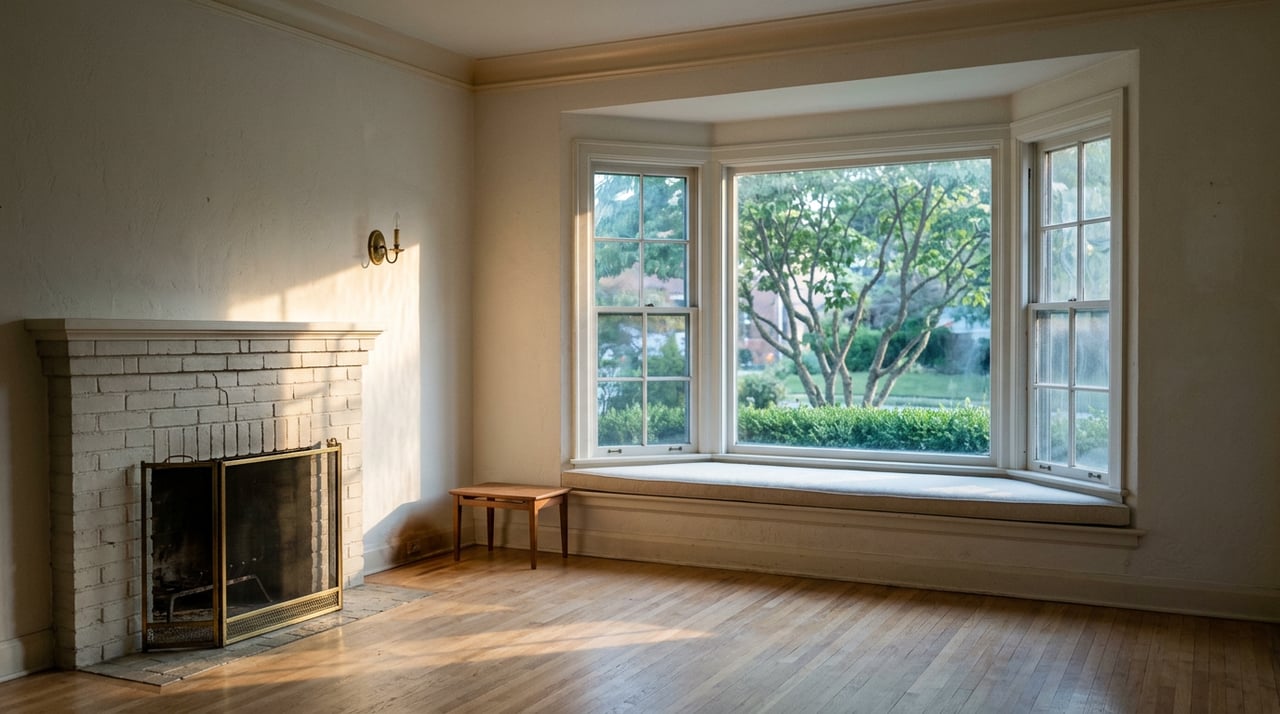
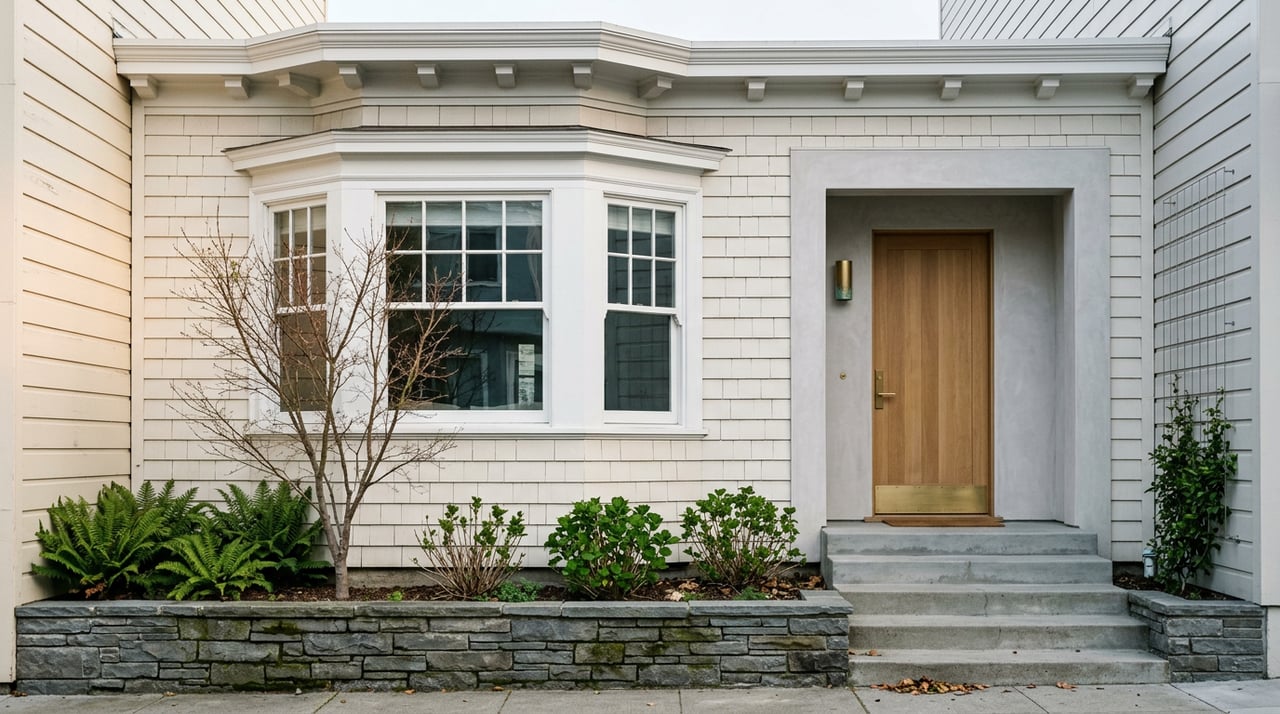
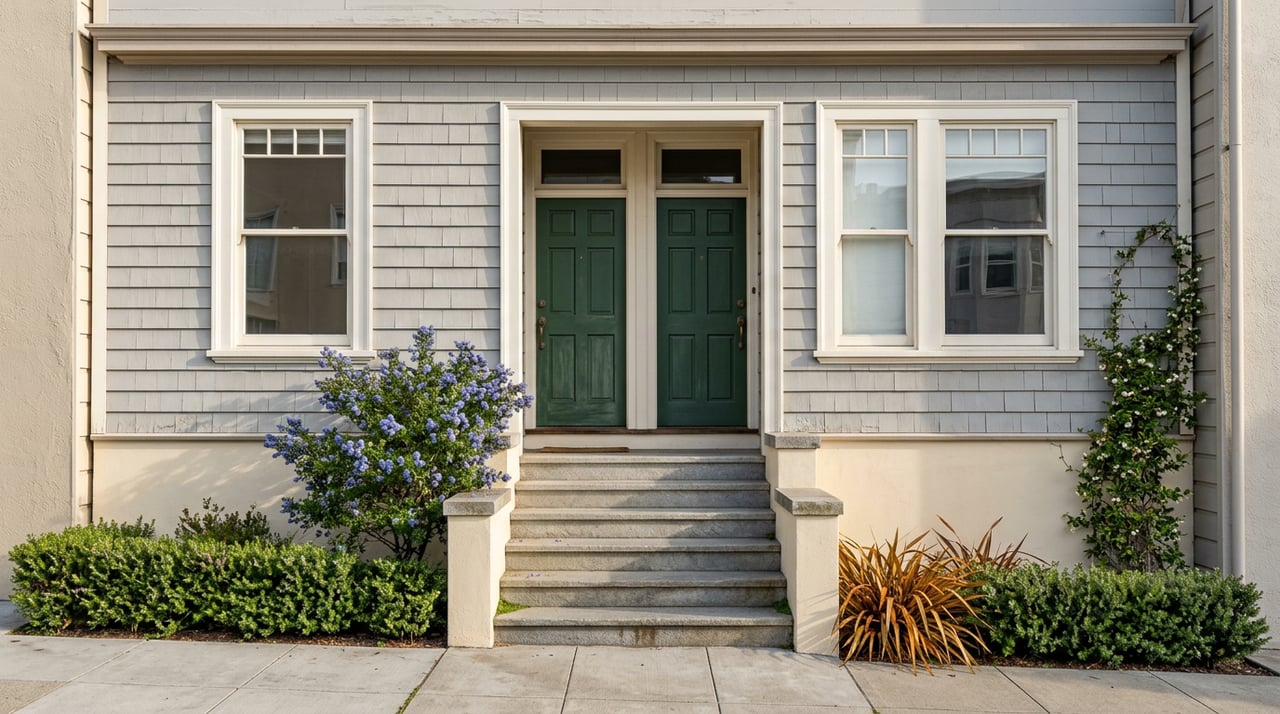
- Wood shingle, brick, or stucco cladding
These details do more than signal age. They shape curb appeal, natural light, privacy, and how a home sits on the street. From a real estate perspective, intact original fabric and thoughtful site placement often make a property feel more memorable the moment you arrive.
Where To See Pacific Heights At Its Best
Streets With A Grand Residential Feel
Pacific Heights changes noticeably from block to block. Planning notes that some sections, especially south of Jackson and west of Buchanan, developed as rows of dwellings and flats with little or no side setback. By contrast, the blocks between Jackson and Green west of Steiner remain an enclave defined mainly by single-family dwellings.
That contrast explains why one street can feel mansion-like while another feels more urban and architectural in a different way. If you are touring the neighborhood, it helps to notice not just the house itself, but the rhythm of the block, the spacing between buildings, and the relationship between the facade and the street.
Vallejo, Green, And Broadway
For a strong block-level architecture study, the Vallejo, Green, and Broadway area is especially useful. Planning highlights the 2900 block of Vallejo and nearby Green Street homes as a cluster of historic fabric that includes architect-designed residences such as 2980 Vallejo by Edgar Mathews and 2990 Vallejo by Bliss and Faville, along with older survivors like 2829 Green Street.
This area is a great reminder that Pacific Heights is not just about individual landmark homes. It is also about streetscapes, where grand residences, earlier survivors, and later infill coexist in a way that feels rich rather than repetitive.
Stair Streets And Viewpoints
The steep streets are part of the neighborhood’s architectural identity. South of Broadway, streets such as Lyon, Baker, and Broderick were developed with stairways instead of graded streets because of the terrain. That response to topography gives Pacific Heights some of its most memorable spatial drama.
The Fillmore Street Steps are another standout. Built in 1915, they connect Pacific Heights to Cow Hollow and the Marina and offer broad views that include the Golden Gate Bridge, Alcatraz, and the Palace of Fine Arts from the top. For an architecture-minded visitor, these elevated vantage points help explain why views, street presence, and lot position play such a large role here.
Parks And Commercial Corridors
Alta Plaza Park is one of the easiest places to understand Pacific Heights in context. From the neighborhood’s higher points, you can look across the bay toward Sausalito and appreciate how elevation shapes both the visual experience and the value of surrounding homes.
It also helps to notice how daily life fits into the architecture story. California, Union, and Fillmore streets evolved as the main shopping corridors alongside residential growth, adding another layer to how the neighborhood functions. In Pacific Heights, livability is tied not just to beautiful homes, but to the way residential blocks connect with parks, views, and walkable commercial streets.
Landmark Homes Worth Knowing
Two homes offer especially useful reference points if you want to sharpen your eye. The Haas-Lilienthal House at 2007 Franklin is an 1886 Queen Anne-style Victorian museum and a National Treasure. It is a strong example of the ornate, highly detailed side of Pacific Heights architecture.
The Bourn Mansion at 2550 Webster offers a different expression. Built in 1896, this Classical Revival landmark was designed by Willis Polk and designated San Francisco Landmark #38. Together, these homes show the stylistic range that gives the neighborhood so much visual depth.
What Buyers And Sellers Should Notice
If you are shopping for a home in Pacific Heights, it helps to look beyond the style name in the listing. San Francisco Planning consistently ties the neighborhood’s strongest architectural identity to large formal dwellings, generous setbacks, quality materials, and bay views. Those elements often shape not only street presence, but also interior light and the overall feeling of the home.
For buyers, that means paying attention to intact details, lot position, and how the home sits within the block. A quieter facade with strong proportions and excellent placement can be just as compelling as a more ornate house. In a neighborhood this design-rich, nuance matters.
For sellers, architecture is not just background. It is part of the property’s market story. A well-prepared home that highlights original character, materials, and spatial advantages can connect more clearly with design-minded buyers.
That is where a design-forward strategy can make a real difference. Amanda Jones Advisory & Associates is known for helping San Francisco clients position homes with thoughtful preparation, staging, renovation coordination, and highly curated marketing that speaks to buyers who care about architecture, craftsmanship, and context.
If you are thinking about buying or selling in Pacific Heights and want a tailored strategy grounded in design, neighborhood knowledge, and hands-on execution, book a private consultation with Amanda Jones.
FAQs
How can you tell a Victorian from an Edwardian in Pacific Heights?
- Victorian homes in Pacific Heights usually have asymmetrical facades, steeper roofs, richer ornament, and details like turrets, gables, and textured surfaces, while Edwardian buildings generally look calmer, more formal, and less heavily decorated.
Which Pacific Heights streets best show grand architecture?
- The blocks between Jackson and Green west of Steiner are known for primarily single-family dwellings, and the Vallejo, Green, and Broadway area offers a strong concentration of historic homes and architect-designed residences.
Why do some Pacific Heights blocks feel more urban?
- San Francisco Planning notes that some parts of the neighborhood developed as rows of dwellings and flats with little or no side setback, while other areas retained a more secluded single-family pattern, creating a clear difference in block character.
What architectural details should buyers notice in Pacific Heights homes?
- Look for front and side setbacks, garden walls, raised basements, wood-sash windows, gable or hip roofs, and materials like wood shingle, brick, or stucco, since these features help define the neighborhood’s historic character.
Which Pacific Heights landmarks are useful architecture references?
- The Haas-Lilienthal House at 2007 Franklin is a strong Queen Anne Victorian reference point, and the Bourn Mansion at 2550 Webster is a notable Classical Revival landmark designed by Willis Polk.