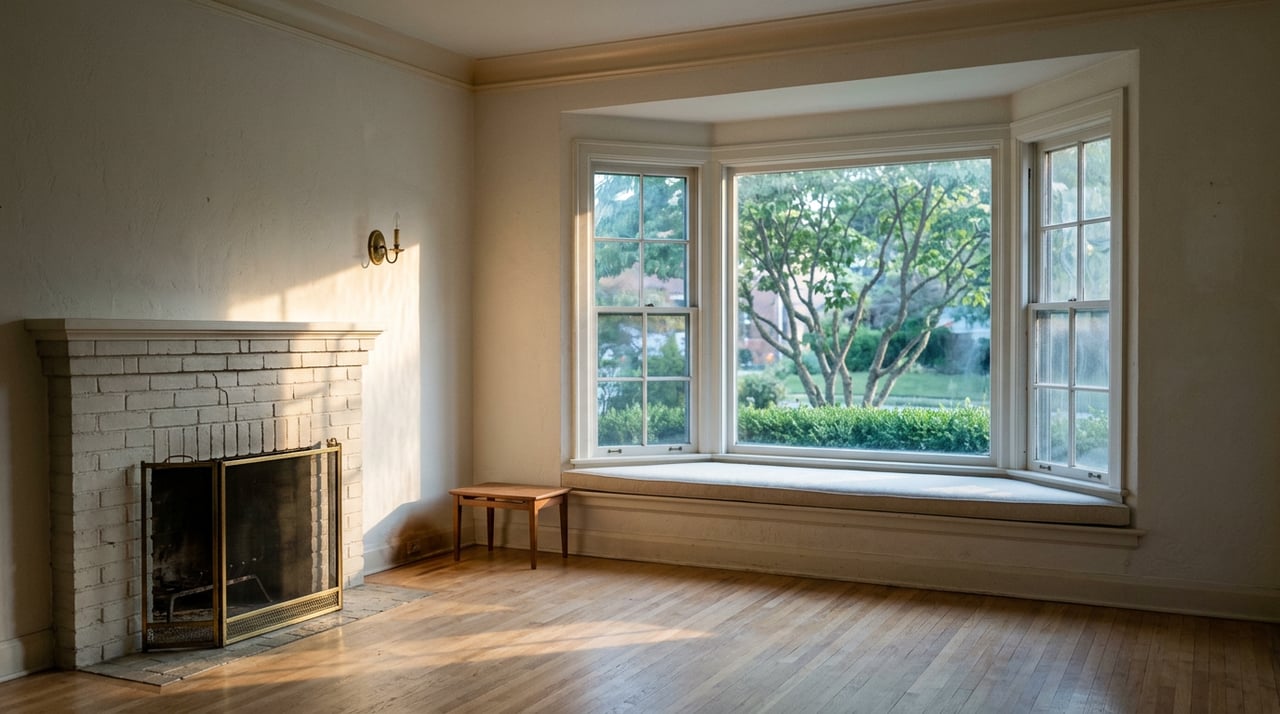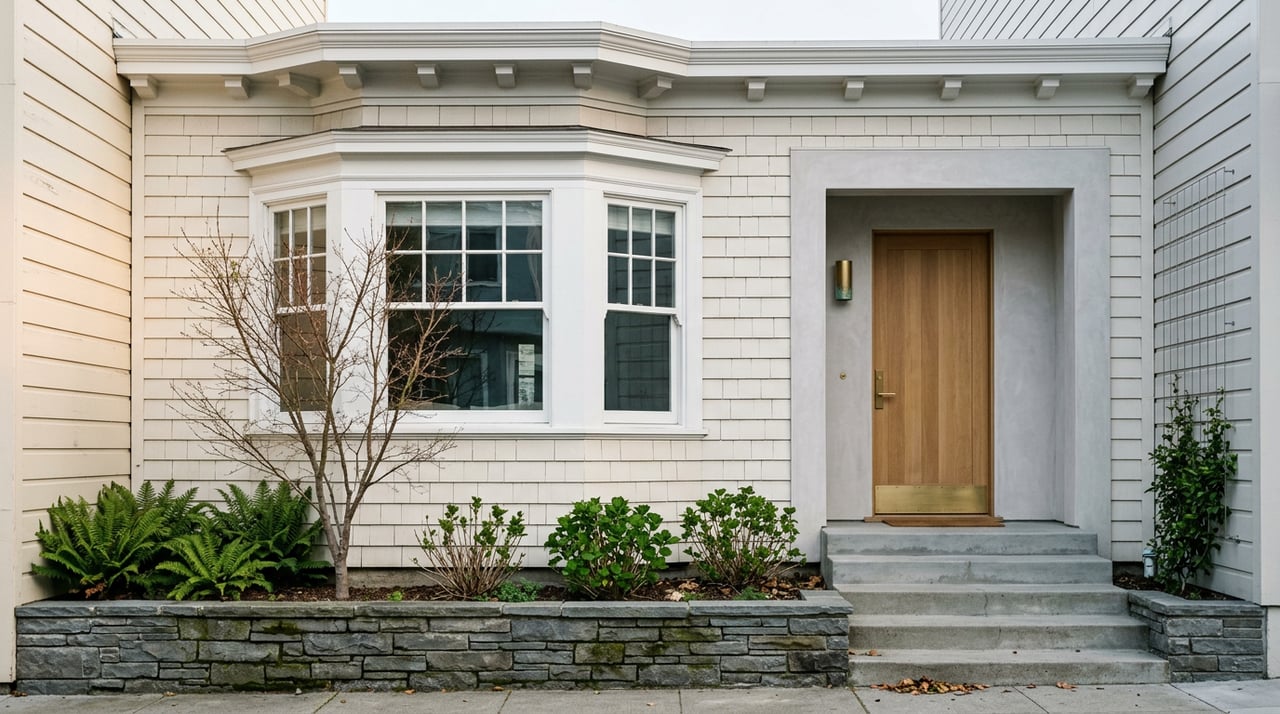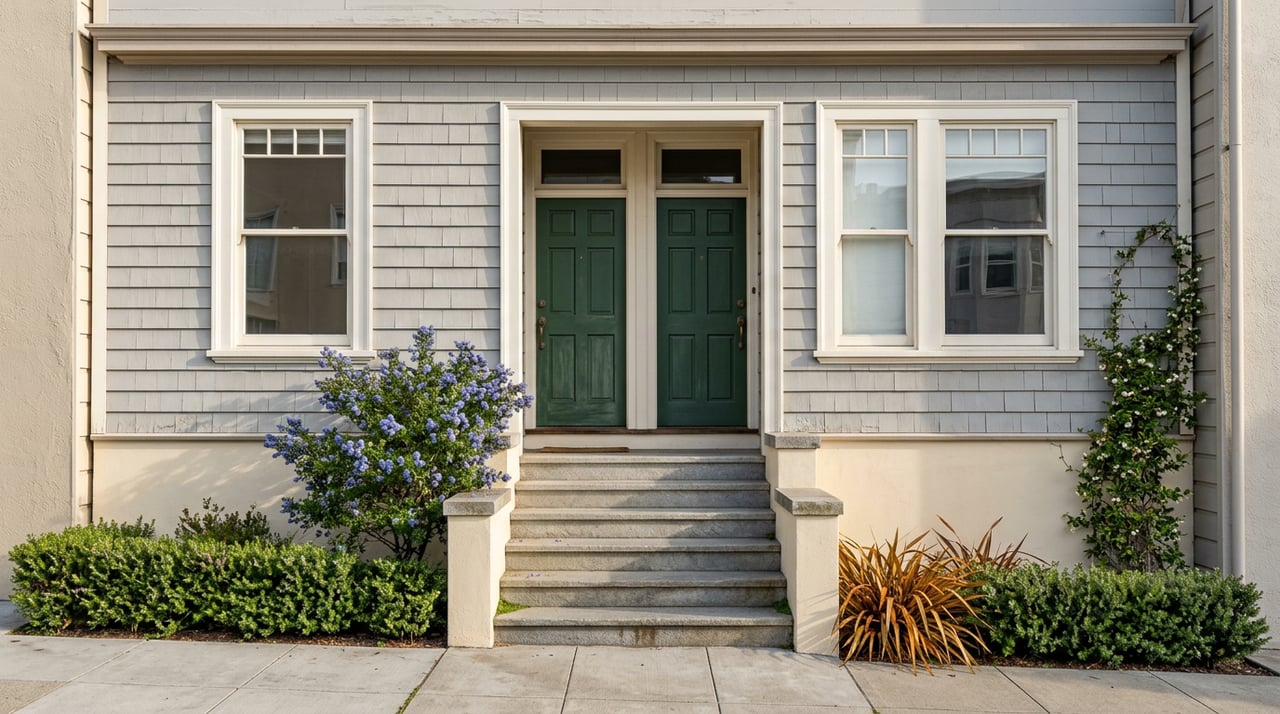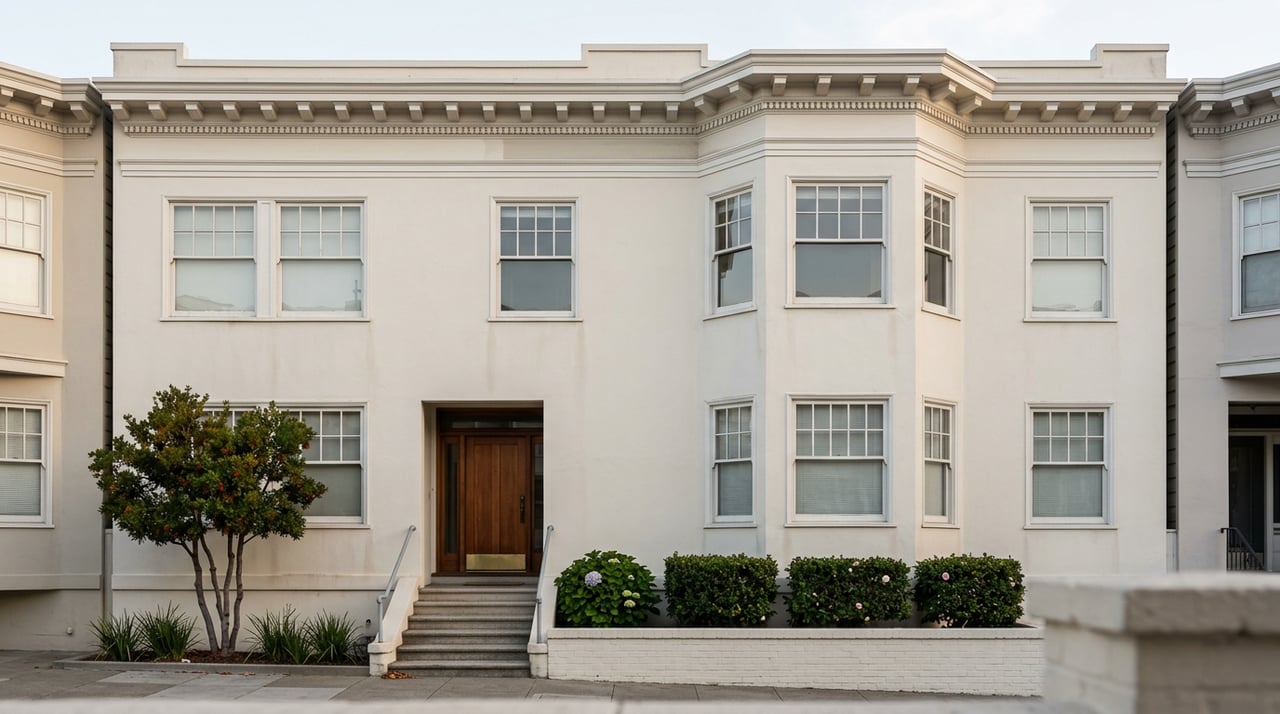
Two flats sit half a block apart on the same stretch of 8th Avenue. Same era Edwardian bones, same bay windows, same walk to Clement Street. One is listed as a condo. The other is a TIC. The price gap between them is close to $400,000.
The obvious read is that the TIC is underpriced and waiting to catch up once it converts to a condo. That read is wrong for most of the buildings it would apply to in this neighborhood, and understanding why changes how you should shop, price, or sell here.
The Math That Looks Like an Accident
San Francisco has two roads to condominium conversion. If a building has exactly two units and both are owner-occupied primary residences for at least twelve consecutive months, the owners can apply for what's called the two-unit bypass under the city's Planning Code. It's an administrative filing, not a random draw, and there's no cap on how many buildings can use it in a year.
Everything else, buildings with three, four, five, or six units, has to go through the city's annual conversion lottery. That lottery has been suspended since 2013.
Thirteen years is not a typo. The suspension was supposed to be temporary while the city studied the effect of conversions on the rental housing stock. Since then, the promised return date has slid from 2024 to 2025 to 2026, and industry guidance published as recently as mid-2026 still describes the lottery for three-to-six-unit buildings as largely suspended, with the two-unit bypass remaining the only dependable path.
That's the part most listing descriptions leave out. The discount on a TIC isn't a temporary pricing gap waiting for a bureaucratic gear to turn. For any building with three or more units, it's a discount priced against a process that has not run in over a decade and has no scheduled restart date.
Why Inner Richmond Feels This More Than Most Neighborhoods
Walk the blocks between Golden Gate Park and the Presidio and you'll see why this matters here specifically. Inner Richmond's housing stock leans heavily on two-to-four-unit Edwardian and Victorian flats built in the early twentieth century, the same building type that made the neighborhood affordable to convert into flats in the first place. A meaningful share of that stock sits at three or four units, not two.
That distinction is the whole game. A three or four-unit Edwardian in Inner Richmond doesn't qualify for the bypass. It's stuck waiting on the same suspended lottery as a six-unit building in the Mission or a five-unit building in Noe Valley, with no size advantage and no queue position that means anything until the lottery actually reopens.
Compare that to a two-unit flat a few doors down. If both owners have lived in their units for a year, they can file for conversion right now, this year, through an administrative process that typically runs twelve to eighteen months from application to recording. Same era, same materials, same walk score. Completely different regulatory reality.
| Building size | Path to conversion | Status as of 2026 |
|---|---|---|
| 2 units, owner-occupied 12+ months | Administrative bypass, no cap | Available now, roughly 12-18 months to complete |
| 3-6 units | Annual conversion lottery | Suspended since 2013, no confirmed restart date |
A TIC discount on a two-unit building is a bet on a process that's running. A TIC discount on a three-unit building is a bet on a process that's been paused since before most current owners bought their homes.
What the Discount Is Actually Pricing In
Industry pricing guides commonly put the TIC discount somewhere between 10 and 30 percent below a comparable condo, with the gap widening in buildings that carry rental history, unresolved permits, or unclear ownership records. That range isn't arbitrary. It's the market pricing in three separate costs a condo buyer doesn't carry.
The first is financing. TIC-specific loans come from a small pool of local lenders rather than the conventional mortgage market, and they typically carry an interest rate a quarter to three-quarters of a point above a comparable condo loan. On a thirty-year term, that premium compounds.
The second is seismic exposure. San Francisco's Mandatory Soft Story Retrofit Program applies to many pre-1978 wood-frame buildings with the kind of ground-floor garage or storefront openings common in Richmond District Edwardians. When the city rolled out the ordinance, it estimated direct construction costs in the range of $60,000 to $130,000 per building, a figure that has almost certainly climbed with construction costs since. In a TIC, that bill is shared among owners regardless of who's ready to write the check.
The third is the resale pool itself. A condo buyer pool includes anyone who can get a conventional mortgage. A TIC buyer pool is narrower by definition, and that narrower pool shows up again at your own resale, discount and all.
None of that is a reason to avoid a TIC in Inner Richmond. It's a reason to price the discount as compensation for real, ongoing costs rather than a markdown that closes itself.
How to Read a TIC Listing Here Without Guessing
Before you treat a TIC price as a bargain, or a seller treats it as a temporary handicap, there's a short list of specifics worth confirming, ideally with a real estate attorney who handles SF co-ownership agreements alongside your advisor.
- Count the units. Two-unit buildings have a real, active path to conversion. Three or more units means the lottery, and the lottery isn't running.
- Check the soft-story status. Ask the Department of Building Inspection for the building's compliance record before assuming the retrofit is done, funded, or even started.
- Read the eviction history. Certain no-fault evictions, particularly of elderly, disabled, or long-term protected tenants, can delay or permanently disqualify a building from ever entering the lottery once it reopens.
- Review three years of the building's financial ledger. Unpaid assessments or a thin reserve fund tell you more about your actual carrying cost than the listing price does.
- Confirm the TIC agreement's exit terms. Right of first refusal clauses and consent-to-sell requirements shape how easily you can sell later, independent of anything the city does with the lottery.
Every one of these is checkable before you write an offer. None of them requires waiting on Sacramento or City Hall to tell you what your building is worth.
The Stakes When You Assume Conversion Is Coming
It's worth knowing how far this can go when a TIC owner plans around a conversion that stalls. A tenancy-in-common case out of Russian Hill, involving owners who'd bought into a six-unit building expecting to convert and eventually occupy their unit, made it all the way to the U.S. Supreme Court over how the city's lifetime-lease conversion requirement applied to their timeline. The case took years and multiple rounds of appeal to resolve, a reminder that when conversion plans meet regulatory reality, the gap can be measured in years and legal fees rather than months.
That's an extreme case, and Inner Richmond buildings rarely end up in front of the Ninth Circuit. But the underlying lesson holds at any scale. If your offer price, your financing plan, or your resale timeline depends on a lottery reopening, you're underwriting a date nobody can give you. The San Francisco Department of Public Works publishes historical drawing results for the years the lottery did run, and even a glance at that record shows how unevenly a building's odds have shifted from one cycle to the next.
What This Means If You're Buying or Selling Here
If you're shopping Inner Richmond and a TIC catches your eye at a price that looks too good against the condo next door, the discount is probably doing exactly what it's supposed to do. Price the building on what it costs to own today, the financing premium, the retrofit exposure, the narrower resale pool, not on a conversion you can't schedule.
If you're selling a TIC interest in a three or four-unit building, the same logic cuts the other way. Marketing the unit as a near-condo with conversion "just a matter of time" sets up buyers for disappointment and invites renegotiation once their attorney explains the lottery's status. Marketing it honestly, at a price that reflects what the building actually is right now, tends to close faster and with fewer surprises at inspection.
Either way, the building's unit count is the first fact to establish, not the last.
For context on Inner Richmond's broader housing mix, from its Edwardian flats to its rowhouses and low-rise condos, our Inner Richmond lifestyle guide walks through what to expect before you start touring.
If you're weighing a TIC purchase or preparing to sell one, the unit count, the retrofit file, and the ownership history all need a careful read before a number on a listing means anything. Amanda Jones Advisory has spent years reading exactly these buildings for San Francisco buyers and sellers. Book a private consultation and we'll walk through your specific building before you make a decision that assumes a lottery date nobody can promise you.