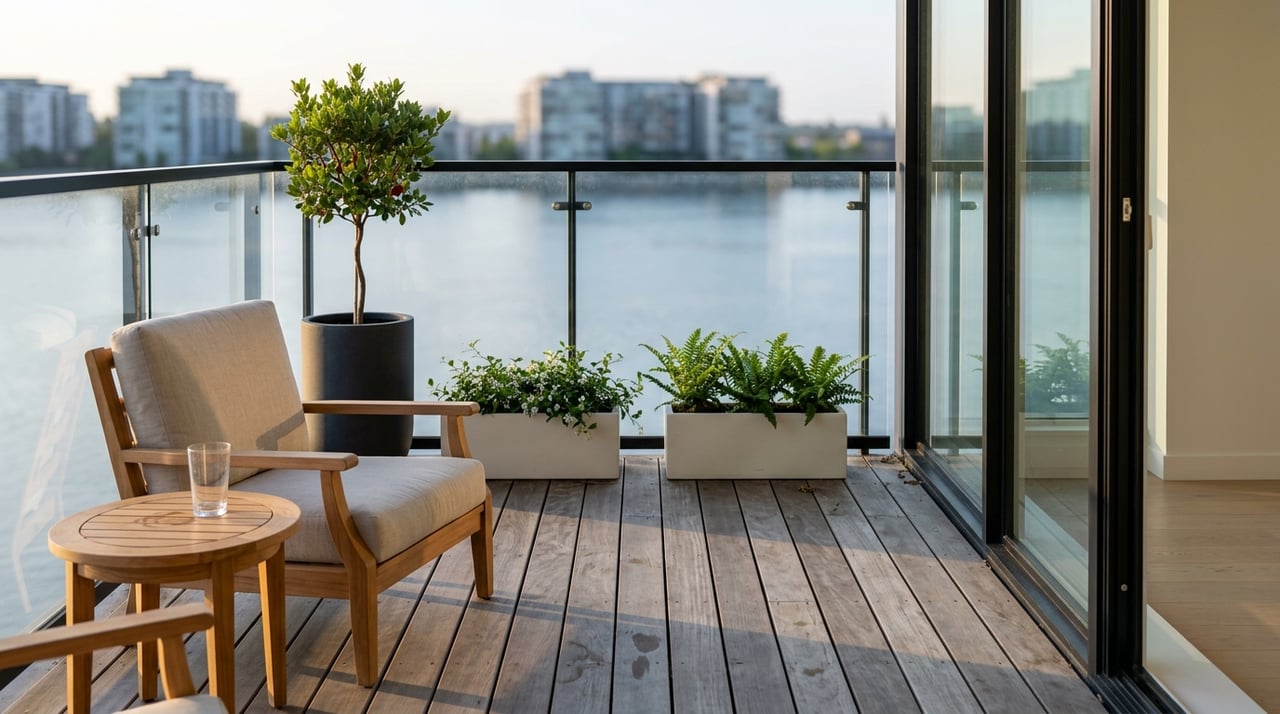
If you picture San Francisco waterfront living as equal parts scenic and practical, Mission Bay deserves a close look. This neighborhood gives you access to the Bay, newer condo living, and an easy routine built around parks, transit, and major destinations like UCSF and Chase Center. If you are wondering what it is really like to live on the water here, this guide will help you understand the lifestyle, the perks, and the tradeoffs. Let’s dive in.
Why Mission Bay Feels Different
Mission Bay is a 303-acre planned district set between San Francisco Bay and Interstate 280. Mission Bay South alone is described by the Office of Community Investment and Infrastructure as a 238-acre mixed-income, transit-oriented neighborhood with residential, commercial, and institutional uses, including UCSF, Chase Center, and retail along 4th Street.
That planning shows up in daily life. Compared with many older San Francisco neighborhoods, Mission Bay feels more open, more linear, and more intentionally connected to the shoreline. If you want a home base that combines city access with a strong outdoor element, that is a big part of the appeal.
Waterfront Living Means Everyday Access
In Mission Bay, the water is not just something you see from a distance. It is part of how the neighborhood is designed and used. Bayfront Park, a 5.4-acre open space between Chase Center and the Bay, adds lawns, plazas, native plantings, Bay Trail access, and climate-resilient design right along the waterfront.
The broader neighborhood includes more than 40 acres of parks and open space. Mission Creek Park, Mission Bay Commons, Mission Bay Kids Park, Channel Street Dog Park, and other connected open spaces help create a routine that feels more outdoorsy than many people expect in San Francisco.
For many residents, that means your morning can start with a walk, run, or bike ride by the water instead of a car trip to find recreation. The Bay Trail is especially important here. The Metropolitan Transportation Commission says more than 325 miles of the Bay Trail are already open to the public, with a long-term vision of a 500-mile shoreline network.
What Daily Life Looks Like
Living on the water in Mission Bay often feels active, convenient, and a little more relaxed than you might expect from a central San Francisco location. The neighborhood is built for movement. You can step outside and head toward the shoreline, nearby parks, or transit without much friction.
Mission Bay Parks notes that local parks are open from sunrise to 10 PM. Nearby transit options for Mission Creek Park and Mission Bay Commons include the Muni N-Judah, T Third, and bus lines 15, 30, 45, and 55, while Caltrain’s 4th & King station is also presented as a walkable access point.
That mix matters if you want a car-light lifestyle. Mission Bay was planned as a transit-oriented district, and many residents can handle a large share of daily trips through walking, biking, Muni, and Caltrain rather than driving everywhere.
Fitness Is Built In
Mission Bay has a strong wellness and recreation identity. UCSF’s Bakar Fitness Center at Mission Bay includes three fitness floors and a rooftop pool and exercise terrace with downtown views.
That complements the neighborhood’s outdoor rhythm. Between the parks, the Bay Trail, and building amenities found in many local condos, you are not relying on one single feature to support an active lifestyle. The neighborhood itself does a lot of that work.
The Condo Lifestyle in Mission Bay
If you are considering living on the water here, the building matters almost as much as the location. Mission Bay condos often feel newer and more amenity-driven than older housing stock in other parts of San Francisco, and there is a reason for that.
The Mission Bay South Redevelopment Plan calls for views and access to the Bay, building heights that step down toward the water, outdoor common areas, walking and biking connections, street-oriented entries, screened garages, and noise-mitigation measures such as double-glazed windows and sound attenuation. In practical terms, that planning framework helps explain why many condos here feel clean-lined, efficient, and designed around modern city living.
Common Features You May See
Based on existing and planned housing examples in Mission Bay, buyers often find features like:
- Rooftop terraces with city and bay views
- Courtyard terraces and indoor-outdoor gathering areas
- Fitness centers and resident lounges
- Community rooms and multipurpose rooms
- Secured bike rooms
- Package lockers
- Double-paned windows
- Laundry rooms or common laundry areas
Some established buildings offer even more extensive amenity packages. For example, Madrone’s HOA lists barbecue patios, a business center, a fitness center, a pool area, a resident lounge, steam and sauna, a meeting room, and a theater.
For many buyers, this is a meaningful part of the Mission Bay value story. You are not just buying square footage. You are often buying into a building that supports the way you want to live.
Transit, Entertainment, and Convenience
One of Mission Bay’s biggest strengths is how close it puts you to major San Francisco destinations without requiring you to drive every time. Chase Center sits at 3rd and 16th streets in the neighborhood, and SFMTA says the T Third line runs about every 10 minutes during events. Special S Shuttle Mission Bay trains also serve stops between Chinatown-Rose Pak Station and UCSF/Chase Center.
SFMTA frames Muni as the most convenient way to reach the arena, and that same logic often benefits nearby residents. If you live in Mission Bay, you can often tap into event-focused transit service instead of dealing with parking.
Oracle Park also shapes the area’s rhythm even though it sits in the adjacent waterfront corridor. According to the Giants, public transit is the best way to get there, with the T Third/Central Subway at 4th & King one block away, Caltrain’s San Francisco Station a short walk away, and additional Muni connections nearby.
That level of connectivity can make the neighborhood feel well-positioned for both work and leisure. If you commute on Caltrain, spend time at UCSF, or enjoy concerts and games, Mission Bay can simplify your routine in a very practical way.
The Car-Light Tradeoff
Of course, waterfront urban living is not just about the highlights. Mission Bay’s location near Chase Center and close to Oracle Park means event nights can affect traffic, curb activity, and parking conditions.
SFMTA notes that parking rates in Mission Bay and China Basin change for Oracle Park and Chase Center gamedays. For buyers, that often makes details like garage parking, transit access, and walkability more important.
Noise is another consideration. Because this is an active waterfront corridor with major destinations nearby, street noise and event-related energy can be part of the experience. That is one reason building design, double-glazed windows, and sound attenuation matter more here than they might in a quieter residential setting.
Does Mission Bay Still Feel New?
In many ways, yes. OCII continues to frame Mission Bay as an evolving redevelopment district, and the 2024 opening of Bayfront Park is a good example of how the waterfront and open-space network continues to take shape.
For some buyers, that ongoing evolution is a plus. It can signal continued public investment, newer infrastructure, and an expanding waterfront experience. For others, it is simply helpful context. Mission Bay is not trying to feel like one of San Francisco’s oldest, most layered neighborhoods. Its identity is newer, more planned, and more modern by design.
Who Mission Bay Fits Best
Mission Bay tends to appeal to buyers who want a specific kind of San Francisco lifestyle. You may feel at home here if you value:
- Easy access to the Bay Trail and open space
- Newer condo buildings with amenities
- Close proximity to UCSF, Chase Center, and Caltrain
- A walkable, transit-oriented routine
- A modern neighborhood feel
It may be a less natural fit if your top priority is the texture and street life of older San Francisco neighborhoods. Mission Bay offers a different experience. The draw is the combination of waterfront paths, newer buildings, and highly practical access to key destinations.
What to Pay Attention to When Buying
If you are shopping for a Mission Bay condo, it helps to look beyond the view alone. A waterfront-facing home can be exciting, but the best fit usually comes down to how the unit and building support your day-to-day life.
Pay close attention to factors like:
- Window orientation and natural light
- Sound buffering and double-paned windows
- Outdoor space, if any
- Bike storage and package handling
- Building amenities you will actually use
- Transit access relative to your routine
- Garage parking, if you plan to keep a car
In a neighborhood like Mission Bay, small differences in building design can make a big difference in livability. That is especially true when balancing views, activity, privacy, and convenience.
If you are exploring Mission Bay as a buyer or preparing to sell a condo in the neighborhood, a tailored strategy matters. Amanda Jones brings a boutique, design-aware approach to San Francisco real estate, with the local perspective and hands-on guidance that help you evaluate not just the property, but the lifestyle that comes with it.
FAQs
What is waterfront living like in Mission Bay?
- Waterfront living in Mission Bay usually means easy access to the Bay Trail, nearby parks, open views in some buildings, and a routine shaped by walking, biking, and outdoor recreation.
Is Mission Bay a good neighborhood for a car-light lifestyle?
- Mission Bay was planned as a transit-oriented district, with access to the T Third line, N-Judah, several bus lines, walkable Caltrain access, and shoreline paths that support walking and biking.
Are there enough parks and open spaces in Mission Bay?
- Yes. The neighborhood includes more than 40 acres of parks and open space, including Mission Creek Park, Bayfront Park, Mission Bay Commons, Mission Bay Kids Park, and Channel Street Dog Park.
What are common tradeoffs of living in Mission Bay?
- Common tradeoffs include event-day traffic, changing parking conditions near major venues, and some street noise, especially in areas closer to Chase Center and the stadium corridor.
Why do Mission Bay condos feel newer than other San Francisco homes?
- Mission Bay was shaped by a redevelopment plan that emphasized modern urban design, bay access, outdoor common areas, walking and biking connections, and noise mitigation, which helped create a newer condo stock with more amenities.
Is Mission Bay still developing as a neighborhood?
- Yes. Mission Bay is still described as an evolving redevelopment district, and recent additions like Bayfront Park show that the waterfront and open-space network continues to grow.